


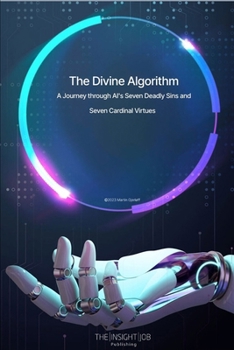
The Divine Algorithm: A Journey Through AI's Seven Deadly Sins and Seven Cardinal Virtues

The biggest risk of artificial intelligence isn't that machines become evil.
It's that human bias-pride, greed, sloth, envy, wrath, gluttony, and lust-gets amplified by AI's speed, scale, and persuasion.
The Divine Algorithm is a modern guide to AI ethics and moral psychology, framed through the timeless lens of the Seven Deadly Sins and the Seven Cardinal Virtues. Psychotherapist and executive coach Martin Gjerl ff argues that the core problem is not "AI bias" alone, but the ancient biases inside us-described from Adam and Eve to Dante, warned about by Carl Jung, and answered through Viktor Frankl's call to meaning and responsibility.
Inside, you'll explore how AI can trigger automation bias, anthropomorphism, outrage dynamics, surveillance temptation, and the soft drift of modern "brain rot"-not as sci-fi, but as real human patterns playing out in classrooms, workplaces, and culture. You'll also get a practical path forward through the classical Virtue Ladder: Prudence, Justice, Temperance, Fortitude, Faith, Hope, and Charity-a moral operating system for leaders, creators, and everyday users who want technology to serve humanity rather than replace it.
Part philosophy, part leadership lens, and part ethical field guide, The Divine Algorithm is for anyone interested in AI alignment, human nature, digital ethics, responsible innovation, and the question beneath the headlines: What kind of people are we becoming in the presence of powerful machines?
Perfect for readers of: AI ethics, behavioral science, leadership psychology, virtue ethics, meaning and purpose, technology and society, cyberpsychology, persuasion and manipulation.
Themes: AI ethics; human bias; moral psychology; virtue ethics; Seven Deadly Sins; Seven Cardinal Virtues; Carl Jung; Viktor Frankl; Dante; meaning and responsibility; leadership and technology; automation bias; anthropomorphism; attention economy; persuasion; surveillance; governance; digital well-being; dystopia vs human drift.
Customer Reviews
ThriftBooks® and the ThriftBooks® logo are registered trademarks of Thrift Books Global, LLC
