



Select Format
Select Condition 
Book Overview
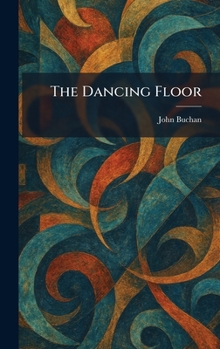
"The Dancing Floor" is an evocative adventure thriller that blends early 20th-century suspense with the haunting echoes of ancient paganism. The novel follows Sir Edward Leithen as he travels to the remote Greek island of Plakos, where he becomes entangled in a dangerous web of local superstition and historical mystery. The story focuses on Kor Arabin, a young woman whose return to her family estate triggers a resurgence of primitive rites among the island's inhabitants.
As the tension on the island reaches a breaking point, Leithen discovers that Kor is to be the centerpiece of a traditional sacrifice intended to purge the land of perceived evil. The "dancing floor" serves as the literal and metaphorical stage for a climactic confrontation between modern reason and ancestral terror. John Buchan's masterful use of atmosphere creates a sense of dread that is both psychological and visceral.
Blending elements of the supernatural with the classic adventure tropes Buchan is famous for, "The Dancing Floor" is a sophisticated exploration of courage, fate, and the persistence of the past. It stands as a powerful entry in the Edward Leithen series, offering a rich narrative that remains compelling for fans of mystery and historical fiction.
This work has been selected by scholars as being culturally important, and is part of the knowledge base of civilization as we know it. This work was reproduced from the original artifact, and remains as true to the original work as possible. Therefore, you may see the original copyright references, library stamps (as most of these works have been housed in our most important libraries around the world), and other notations in the work.
This work is in the public domain in the United States of America, and possibly other nations. Within the United States, you may freely copy and distribute this work, as no entity (individual or corporate) has a copyright on the body of the work.
As a reproduction of a historical artifact, this work may contain missing or blurred pages, poor pictures, errant marks, etc. Scholars believe, and we concur, that this work is important enough to be preserved, reproduced, and made generally available to the public. We appreciate your support of the preservation process, and thank you for being an important part of keeping this knowledge alive and relevant.
Customer Reviews
ThriftBooks ® and the ThriftBooks ® logo are registered trademarks of Thrift Books Global, LLC
