


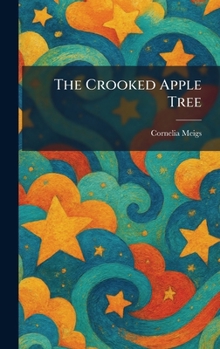
The Crooked Apple Tree

"The Crooked Apple Tree" is a heartwarming and evocative tale of resilience and the search for belonging, written by the acclaimed Newbery Medalist Cornelia Meigs. The story centers on two orphaned siblings, Anthony and Jane, who are forced to live under the care of a cold and unsympathetic guardian. Despite the hardships of their situation, the children are sustained by a shared vision: the dream of establishing a real home of their own, represented by a distinctive, crooked apple tree standing on a nearby hillside.
Set in a beautifully rendered early 20th-century American landscape, the narrative explores the depth of sibling bonds and the transformative power of hope. As Anthony and Jane navigate the trials of their youth, they encounter a cast of characters who challenge and support their journey toward independence. Meigs's lyrical prose captures the quiet courage of childhood and the universal desire for a place to call one's own.
A timeless classic of juvenile literature, "The Crooked Apple Tree" emphasizes the importance of community, character, and the enduring strength of the human spirit. It remains a poignant exploration of how dreams can provide a path through adversity and lead toward a brighter future.
This work has been selected by scholars as being culturally important, and is part of the knowledge base of civilization as we know it. This work was reproduced from the original artifact, and remains as true to the original work as possible. Therefore, you may see the original copyright references, library stamps (as most of these works have been housed in our most important libraries around the world), and other notations in the work.
This work is in the public domain in the United States of America, and possibly other nations. Within the United States, you may freely copy and distribute this work, as no entity (individual or corporate) has a copyright on the body of the work.
As a reproduction of a historical artifact, this work may contain missing or blurred pages, poor pictures, errant marks, etc. Scholars believe, and we concur, that this work is important enough to be preserved, reproduced, and made generally available to the public. We appreciate your support of the preservation process, and thank you for being an important part of keeping this knowledge alive and relevant.
Customer Reviews
ThriftBooks ® and the ThriftBooks ® logo are registered trademarks of Thrift Books Global, LLC
