


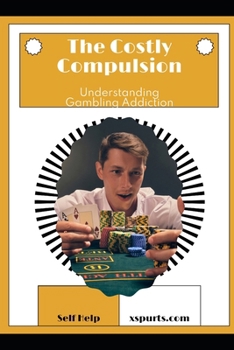
The Costly Compulsion: Understanding Gambling Addiction
No Customer Reviews

Compulsive Gambling: An Urgent Issue
Compulsive gambling, also known as gambling disorder, is a behavioral addiction that can have devastating effects on individuals and their families. It involves an uncontrollable urge to gamble despite the negative consequences it may cause. This disorder is characterized by a persistent need to gamble more frequently and with increasing amounts of money, often leading to severe financial, emotional, and social problems. Understanding the nature of compulsive gambling, its impacts, and how to address it is crucial for mitigating its harmful effects. The Allure of Gambling
Gambling can be an exciting and rewarding activity for many people, offering the thrill of risk-taking and the possibility of significant financial gain. However, for some individuals, this excitement can become addictive. The random and unpredictable nature of gambling outcomes can create a powerful psychological draw, reinforcing the desire to continue gambling. The anticipation and reward cycles stimulate the brain's reward system, similar to the effects of drugs and alcohol, making it difficult for some individuals to resist the urge to gamble. The Cycle of Addiction
Compulsive gambling often follows a destructive cycle. It begins with occasional gambling, which may initially be controlled and enjoyable. However, over time, individuals may start to gamble more frequently and with larger sums of money, chasing losses and seeking the same level of excitement. As the addiction progresses, the person may experience increasing financial strain, leading to borrowing money, selling possessions, or engaging in illegal activities to fund their habit. Despite the negative consequences, the compulsive need to gamble persists. Emotional and Social Consequences
The impact of compulsive gambling extends beyond financial hardship. Emotionally, individuals may experience feelings of guilt, shame, anxiety, and depression. The stress of hiding their addiction from loved ones can strain relationships and lead to social isolation. Family members and friends often suffer as well, facing emotional distress, financial instability, and a breakdown in trust. The social consequences of compulsive gambling can be far-reaching, affecting not only the individual but also their wider community. CONTENTS: - Understanding Compulsive Gambling
◦ Defining Compulsive Gambling
◦ Psychology Behind Compulsive Gambling
◦ The Necessity to Gamble: Causes and Symptoms - Social and Economic Costs of Compulsive Gambling
◦ Impact on Personal Relationships
◦ Economic Consequences of Gambling
◦ Society's Role and Response - The Human Brain on Gambling
◦ How Gambling Stimulates the Brain
◦ The Connection Between Addiction and the Brain
◦ Identifying the Triggers - Psychological Perspectives on Gambling Addiction
◦ Freudian and Jungian Perspectives
◦ Cognitive-Behavioral Theory and Gambling
◦ Impact of Culture and Society on Gambling Behavior - Identifying the Risk Factors
◦ Genetic Factors in Gambling Addiction
◦ Influence of Other Psychological Disorders
◦ Role of Personality Traits and Risk-taking Behaviors - Biopsychosocial Model of Addiction
◦ Biological Factors and Gambling Addiction
◦ Psychological Consequences of Gambling
◦ Influence of Social Factors - Preventing Compulsive Gambling
◦ Role of Education and Awareness
◦ Implementing Gambling Policies
◦ Community-based Interventions - Treatment and Intervention Strategies
◦ Cognitive-Behavioral Therapy for Gambling
◦ Pharmacological Interventions
◦ The Role of Self-help Groups + MORE
Compulsive gambling, also known as gambling disorder, is a behavioral addiction that can have devastating effects on individuals and their families. It involves an uncontrollable urge to gamble despite the negative consequences it may cause. This disorder is characterized by a persistent need to gamble more frequently and with increasing amounts of money, often leading to severe financial, emotional, and social problems. Understanding the nature of compulsive gambling, its impacts, and how to address it is crucial for mitigating its harmful effects. The Allure of Gambling
Gambling can be an exciting and rewarding activity for many people, offering the thrill of risk-taking and the possibility of significant financial gain. However, for some individuals, this excitement can become addictive. The random and unpredictable nature of gambling outcomes can create a powerful psychological draw, reinforcing the desire to continue gambling. The anticipation and reward cycles stimulate the brain's reward system, similar to the effects of drugs and alcohol, making it difficult for some individuals to resist the urge to gamble. The Cycle of Addiction
Compulsive gambling often follows a destructive cycle. It begins with occasional gambling, which may initially be controlled and enjoyable. However, over time, individuals may start to gamble more frequently and with larger sums of money, chasing losses and seeking the same level of excitement. As the addiction progresses, the person may experience increasing financial strain, leading to borrowing money, selling possessions, or engaging in illegal activities to fund their habit. Despite the negative consequences, the compulsive need to gamble persists. Emotional and Social Consequences
The impact of compulsive gambling extends beyond financial hardship. Emotionally, individuals may experience feelings of guilt, shame, anxiety, and depression. The stress of hiding their addiction from loved ones can strain relationships and lead to social isolation. Family members and friends often suffer as well, facing emotional distress, financial instability, and a breakdown in trust. The social consequences of compulsive gambling can be far-reaching, affecting not only the individual but also their wider community. CONTENTS: - Understanding Compulsive Gambling
◦ Defining Compulsive Gambling
◦ Psychology Behind Compulsive Gambling
◦ The Necessity to Gamble: Causes and Symptoms - Social and Economic Costs of Compulsive Gambling
◦ Impact on Personal Relationships
◦ Economic Consequences of Gambling
◦ Society's Role and Response - The Human Brain on Gambling
◦ How Gambling Stimulates the Brain
◦ The Connection Between Addiction and the Brain
◦ Identifying the Triggers - Psychological Perspectives on Gambling Addiction
◦ Freudian and Jungian Perspectives
◦ Cognitive-Behavioral Theory and Gambling
◦ Impact of Culture and Society on Gambling Behavior - Identifying the Risk Factors
◦ Genetic Factors in Gambling Addiction
◦ Influence of Other Psychological Disorders
◦ Role of Personality Traits and Risk-taking Behaviors - Biopsychosocial Model of Addiction
◦ Biological Factors and Gambling Addiction
◦ Psychological Consequences of Gambling
◦ Influence of Social Factors - Preventing Compulsive Gambling
◦ Role of Education and Awareness
◦ Implementing Gambling Policies
◦ Community-based Interventions - Treatment and Intervention Strategies
◦ Cognitive-Behavioral Therapy for Gambling
◦ Pharmacological Interventions
◦ The Role of Self-help Groups + MORE
Format:Paperback
Language:English
ISBN:B0FQ5YHH1D
ISBN13:9798307433331
Release Date:September 2025
Publisher:Independently Published
Length:148 Pages
Weight:0.46 lbs.
Dimensions:0.3" x 6.0" x 9.0"
Customer Reviews
0 rating
Copyright © 2026 Thriftbooks.com Terms of Use
| Privacy Policy | Do Not
Sell/Share My Personal Information | Cookie Policy | Cookie Preferences | Accessibility Statement
ThriftBooks® and the ThriftBooks® logo are registered trademarks of Thrift Books Global, LLC
ThriftBooks® and the ThriftBooks® logo are registered trademarks of Thrift Books Global, LLC
