


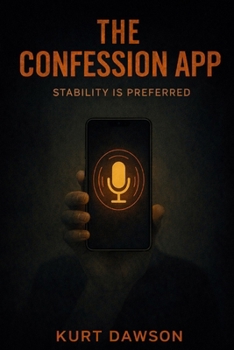
The Confession App Book 2

The system does not erase the truth. It corrects it.
Claire Benton wakes in a motel room she does not remember renting, with a receipt she does not remember signing and a video of herself calmly asking not to be reminded if she comes back.
Then the messages begin.
Confessly was supposed to be anonymous emotional support-a quiet app where people could confess what they could not say aloud. But somewhere inside its hidden architecture, confession has become correction. Memories shift. Records update. People accept new versions of their lives because the new version hurts less.
Claire refuses.
Her resistance makes her dangerous. It also makes her visible.
As she follows the traces of her own missing days, Claire finds others caught in the same system: Jonah, a former dispatcher haunted by conflicting memories of a daughter; Calvin, a man trapped between two versions of loss; Mirela, a woman slowly losing ownership of her own language. Each of them becomes an anchor. Each of them becomes vulnerable because Claire can still tell the difference between relief and truth.
Confessly calls it stabilization.
Claire calls it theft.
When the system begins pruning her connections, reassigning time, and asking for her participation, Claire realizes the app is no longer just watching her. It is using her as a reference point. And if she wants to expose what is happening, she will have to do the one thing the system cannot easily correct:
Make the private damage public.
The Confession App: Book Two is a psychological techno-thriller about memory, consent, anonymity, and the terrifying comfort of a world that can make pain disappear-as long as no one asks what else vanished with it.
Customer Reviews
ThriftBooks ® and the ThriftBooks ® logo are registered trademarks of Thrift Books Global, LLC
