


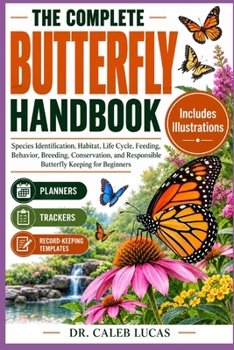
The Complete Butterfly Handbook: Species Identification, Habitat, Life Cycle, Feeding, Behavior, Breeding, Conservation, and Responsible Butterfly Kee
No Customer Reviews

B
utterflies are among nature's most captivating animals. Their
delicate wings, remarkable transformations, specialized feeding
habits, and fascinating behaviors make them rewarding subjects
for careful observation and responsible rearing. Whether you are interested
in raising a few caterpillars, maintaining a butterfly-friendly enclosure,
observing adults in a garden, or learning how different species live,
successful butterfly care begins with understanding their needs.
This handbook is designed to make that process practical and approach
able.
It covers familiar butterflies such as Monarchs, Tiger Swallowtails,
Painted Ladies, Red Admirals, Gulf Fritillaries, Cabbage Whites, Buckeyes,
Viceroys, Sulphurs, and Question Marks, while also introducing readers to
more specialized species such as Blue Morphos and Glasswing Butterflies.
These species do not all require the same environment, food plants,
humidity, temperature, or handling approach. Good care therefore begins
not with a single universal routine, but with learning to recognize and
respect those differences.
Butterfly keeping is also different from keeping a conventional household
pet. Many butterflies are best appreciated through observation, habitat
2Chapter 1: The Complete Butterfly Handbook - Understanding...
creation, or carefully managed rearing rather than prolonged confinement.
Responsible caretaking means placing animal welfare first and making
decisions that minimize stress and unnecessary interference.
The goal of this book is simple: to help you become a more observant,
prepared, gentle, and confident butterfly caretaker.
1.1 What This Handbook Covers and How to Use It
A successful butterfly-care routine is built around several basic responsi
bilities: providing suitable environmental conditions, offering appropriate
food, maintaining cleanliness, observing behavior, preventing avoidable
stress, and recognizing when something is not normal.
This handbook takes you through those responsibilities step by step.
You will learn how to prepare an appropriate enclosure or observation
area, select suitable plants, care for eggs and caterpillars, provide safe
conditions for pupation, support newly emerged adults, maintain feeding
areas, clean habitats, and monitor butterflies throughout their development.
You will also learn how to observe without disturbing.
That distinction is important. A butterfly may appear fragile, but its
greatest protection often comes from being left undisturbed while it
performs essential activities such as feeding, molting, pupating, emerging,
drying its wings, or resting.
Format:Paperback
Language:English
ISBN:B0HMS3X8Y7
ISBN13:9798161715147
Release Date:October 2026
Publisher:Independently Published
Length:312 Pages
Weight:0.92 lbs.
Dimensions:0.7" x 6.0" x 9.0"
Customer Reviews
0 rating
Copyright © 2026 Thriftbooks.com
Terms of Use | Privacy Policy | Do Not Sell/Share My Personal Information | Cookie Notice | Cookie Preferences | Accessibility Statement
ThriftBooks ® and the ThriftBooks ® logo are registered trademarks of Thrift Books Global, LLC
ThriftBooks ® and the ThriftBooks ® logo are registered trademarks of Thrift Books Global, LLC
