


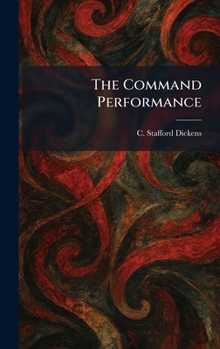
The Command Performance

"The Command Performance" is a sophisticated three-act play written by C. Stafford Dickens, a prominent figure in early 20th-century theater. Set against a backdrop of royal intrigue and mistaken identity, the work explores the intersections of duty, fame, and the art of performance. The narrative follows a struggling actor who is recruited for a high-stakes deception: to impersonate a prince in a distant European kingdom to help secure a delicate diplomatic marriage.
This witty and fast-paced drama blends elements of romantic comedy with social satire, examining the rigid structures of the aristocracy through the eyes of a commoner. Dickens skillfully uses the theater-within-a-theater motif to highlight the performative nature of public life and the personal costs of maintaining a royal facade. "The Command Performance" stands as a classic example of the Ruritanian romance subgenre that captivated audiences during the interwar period.
With its sharp dialogue and clever situational humor, the play offers a fascinating glimpse into the dramatic tastes of the 1930s. It serves as an excellent resource for students of British drama and those interested in the evolution of twentieth-century stagecraft and narrative tropes involving disguise and social mobility.
This work has been selected by scholars as being culturally important, and is part of the knowledge base of civilization as we know it. This work was reproduced from the original artifact, and remains as true to the original work as possible. Therefore, you may see the original copyright references, library stamps (as most of these works have been housed in our most important libraries around the world), and other notations in the work.
This work is in the public domain in the United States of America, and possibly other nations. Within the United States, you may freely copy and distribute this work, as no entity (individual or corporate) has a copyright on the body of the work.
As a reproduction of a historical artifact, this work may contain missing or blurred pages, poor pictures, errant marks, etc. Scholars believe, and we concur, that this work is important enough to be preserved, reproduced, and made generally available to the public. We appreciate your support of the preservation process, and thank you for being an important part of keeping this knowledge alive and relevant.
Related Subjects
DramaCustomer Reviews
ThriftBooks ® and the ThriftBooks ® logo are registered trademarks of Thrift Books Global, LLC
