


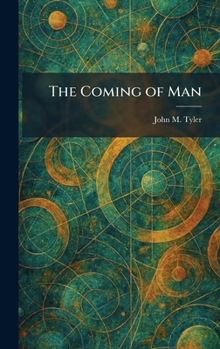
The Coming of Man

"The Coming of Man" explores the profound journey of human evolution, tracing the biological and social development of our species from its earliest ancestors to the dawn of civilization. Written by John M. Tyler, an esteemed biologist, this work offers a comprehensive examination of the forces-both natural and environmental-that shaped the physical and mental progression of humanity.
The narrative delves into the transition from primitive life forms to the emergence of early humans, highlighting the significance of adaptation and the survival of the fittest. Tyler meticulously analyzes the evidence of prehistory, examining how skeletal structures, tool usage, and social structures evolved over millennia. He emphasizes the interconnectedness of biological evolution and the rise of human intelligence, suggesting that our unique place in the natural world is the result of a long, arduous process of change.
As a foundational text in the study of anthropology and biology from the early 20th century, "The Coming of Man" provides valuable insights into the scientific understanding of origins during its era. It remains an essential read for those interested in the history of science, human origins, and the enduring questions surrounding our species' place in the cosmos.
This work has been selected by scholars as being culturally important, and is part of the knowledge base of civilization as we know it. This work was reproduced from the original artifact, and remains as true to the original work as possible. Therefore, you may see the original copyright references, library stamps (as most of these works have been housed in our most important libraries around the world), and other notations in the work.
This work is in the public domain in the United States of America, and possibly other nations. Within the United States, you may freely copy and distribute this work, as no entity (individual or corporate) has a copyright on the body of the work.
As a reproduction of a historical artifact, this work may contain missing or blurred pages, poor pictures, errant marks, etc. Scholars believe, and we concur, that this work is important enough to be preserved, reproduced, and made generally available to the public. We appreciate your support of the preservation process, and thank you for being an important part of keeping this knowledge alive and relevant.
Customer Reviews
ThriftBooks ® and the ThriftBooks ® logo are registered trademarks of Thrift Books Global, LLC
