


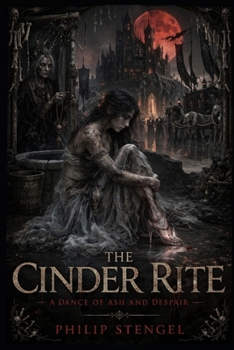
The Cinder Rite

In the kingdom of Bellefleur, the Cinderella story was never about rescue. It was about feeding something old enough to hide beneath folklore and patient enough to let generations soften its true shape into romance. Beneath the perfumes, chandeliers, and court songs, an ancient bargain still governs the land. When the Blood Moon rises, the chosen girl is not simply dressed and celebrated. She is ripened. Broken down by labor, hunger, silence, and humiliation until one brief moment of impossible hope makes her soul bright enough to consume.
That girl is Ella, the ash-covered servant in Baroness Von Malfleur's decaying manor, known to everyone as Cinderella. Her stepmother and stepsisters do not merely despise her. They help prepare her. The hearth watches. The old well answers. A false fairy godmother rises from the dark to dress her in a living gown and force crystal slippers onto her feet, not as ornaments, but as hooks, anchors, and siphons. By the time Prince Caspian takes her hand at the royal ball, Ella understands the truth too late. The prince is not a bridegroom. He is the beautiful face worn by an ancient appetite that has fed on girls like her for centuries.
What follows is a brutal gothic horror novel that strips the Cinderella myth down to its oldest and cruelest bones. The Cinder Rite is about ritualized suffering, predatory pageantry, stolen identity, and the violence hidden inside stories that teach women to endure beautifully. As Ella is hunted through palace chambers, ancestral lies, and the preserved remains of countless earlier brides, she discovers that survival will not come through romance, rank, or rescue. It will come only by breaking the machinery of the rite itself, even if the world that survives the break can never return to what it was before.
Customer Reviews
ThriftBooks ® and the ThriftBooks ® logo are registered trademarks of Thrift Books Global, LLC
