


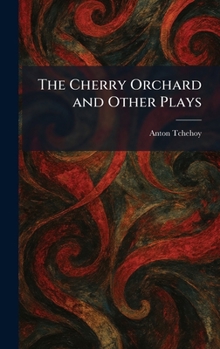
The Cherry Orchard and Other Plays

"The Cherry Orchard and Other Plays" is a quintessential collection of works by the renowned dramatist Anton Chekhov. The title play, a masterpiece of Russian literature, depicts the decline of an aristocratic family unable to reconcile their nostalgic past with the encroaching reality of a new social order. As their estate is sold to settle debts, the felling of the cherry orchard becomes a potent symbol of a fading era. Known for his "theatre of mood," Chekhov emphasizes internal character development over traditional plot-driven action, masterfully blending tragicomedy with social observation.
This volume brings together several of his most influential dramatic works, which transformed the landscape of modern theatre through their psychological depth and realistic portrayal of human frailty. Chekhov's subtle exploration of loneliness, lost opportunities, and the passage of time continues to resonate with audiences worldwide, establishing him as a foundational figure in the development of 20th-century drama. Readers will find in these pages the poignant irony and profound empathy that define Chekhov's enduring legacy.
This work has been selected by scholars as being culturally important, and is part of the knowledge base of civilization as we know it. This work was reproduced from the original artifact, and remains as true to the original work as possible. Therefore, you may see the original copyright references, library stamps (as most of these works have been housed in our most important libraries around the world), and other notations in the work.
This work is in the public domain in the United States of America, and possibly other nations. Within the United States, you may freely copy and distribute this work, as no entity (individual or corporate) has a copyright on the body of the work.
As a reproduction of a historical artifact, this work may contain missing or blurred pages, poor pictures, errant marks, etc. Scholars believe, and we concur, that this work is important enough to be preserved, reproduced, and made generally available to the public. We appreciate your support of the preservation process, and thank you for being an important part of keeping this knowledge alive and relevant.
Customer Reviews
ThriftBooks ® and the ThriftBooks ® logo are registered trademarks of Thrift Books Global, LLC
