


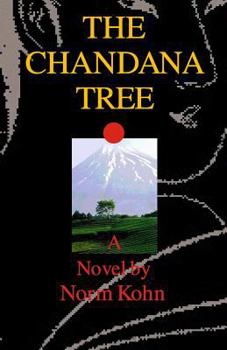
The Chandana Tree

No Synopsis Available.
Format:Paperback
Language:English
ISBN:1976350956
ISBN13:9781976350955
Release Date:September 2017
Publisher:Createspace Independent Publishing Platform
Length:192 Pages
Weight:0.55 lbs.
Dimensions:0.4" x 5.5" x 8.5"
Customer Reviews
1 rating
If Terry Kay loves this book, how can you argue with that?
Published by Thriftbooks.com User , 19 years ago
Jonathan Livingson is on a flight from L.A. back to his home in Atlanta when a cryptic message in haiku form appears on his laptop computer. Its contents seem to be specifically directed at him, yet he has no idea where it came from or who would have had access to his files. So begins "The Chandana Tree," the first published novel from Atlanta author Norm Kohn. As the messages continue to materialize, Jonathan pursues the twin mysteries of `who' and `why,' with side trips off into adventure and romance that span two continents and bridge the cultural divide between East and West. As in a good foreign film, character development is every bit as essential to this novel as plot. Kohn has assembled an appealing cast and woven their stories together deftly and intricately. All are, in some way, navigating their own personal obstacle course. The somewhat unconventional ensemble includes Margo, a therapist with the gift of uncanny intuition; Fenton, a former attorney turned drop-out-from-life; Landon, a Hollywood producer who stockpiles visual images in his head; and Jonathan, a writer hiding from his past. Kohn's breezy prose makes this book perfect for summertime beach reading. The storyline skips back and forth between characters and events - even continents and cultures - in a way that teases the reader forward, offering only tantalizing glimpses of each before moving on. The pace is lively enough to compel attention, yet light enough that you can pick up and put down the book easily. The turning point of the novel occurs when Jonathan's father has a heart attack in Japan and Jonathan returns to the land where he grew up, in order to be with his family. There he meets the beguiling Naoko Matsuzawa, who seems to bring with her the promise of peace and reconciliation with the past. As their relationship develops, the culture and landscape of Japan emerge in well-researched and vivid details that stem from Kohn's own visits to Japan and his familiarity with the language. A mystery of corporate espionage and Hollywood intrigue also continues to unfold, as a shadowy insider drops one clue at a time, packaged in haiku form. If you're looking for an easy read and good storyline alone, the adventure and romance will give you plenty to sink your teeth into. Yet for those wanting something meatier, deeper themes run through the novel as well. Redemption, healing, and simple faith in the power of goodness - these messages can all be found within the metaphor of the fragrant Chandana tree, which only through a miracle can grow in a forest of poisonous Errand trees. Never specifically mentioned is the Japanese worldview and aesthetic of wabi-sabi -- finding beauty in unexpected places; often in the imperfect, impermanent or incomplete. But for those familiar with this Eastern concept, the theme is a silver thread that runs through Kohn's rich tapestry of prose. His descriptions reveal a wonderful ability to see the sacred among the mundane. As he artfull
Copyright © 2026 Thriftbooks.com Terms of Use
| Privacy Policy | Do Not
Sell/Share My Personal Information | Cookie Policy | Cookie Preferences | Accessibility Statement
ThriftBooks® and the ThriftBooks® logo are registered trademarks of Thrift Books Global, LLC
ThriftBooks® and the ThriftBooks® logo are registered trademarks of Thrift Books Global, LLC
