


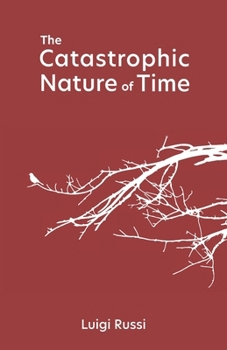
The Catastrophic Nature of Time

The Anthropocene, the proposition that human activity ushered a new geological era of climate instability, typically induces a sense of urgency in people. The Catastrophic Nature of Time examines this urgency as a glimpse into the human condition. Urgency in the face of anticipated catastrophe merely intensifies an ordinary, if elusive, experience of time: one with which humans have always been familiar but which we easily forget. To retrieve this elusive experience, as it haunts humanity in the shadow of the Anthropocene, Luigi Russi searches for it in the "ordinary extraordinary" encounters in which it can still be experienced. These include making all manner of mistakes (from pupils in the science classroom to wanderers getting lost in the woods); falling silent before the ruins of Pompeii; and losing one's footing reading James Joyce's Finnegans Wake. Common to all these experiences is the sense that time is not a substance but a deed: the syncopation, rhythm to mark the course of activity. From this view, the Anthropocene merely reinforces what we have always known-we have never been in charge when it comes to keeping time. In his provocative view of time as a mediation undertaken at all levels of the biological and physical world, Russi builds on biosemiotics, media ecology, and catastrophe theory to remind readers of the risky and timeless human art of paying attention to the elements to find sync with the world.
Customer Reviews
ThriftBooks® and the ThriftBooks® logo are registered trademarks of Thrift Books Global, LLC
