


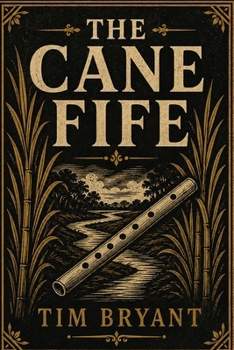
The Cane Fife

A son returns home to bury his father-and finds the music waiting for him.
Calvin "Cal" Tolliver has built a life in Memphis as a respected drummer, known by singers, bandleaders, and working musicians who understand what real time is worth. He has played behind famous voices, held rooms together from the back of the stage, and learned how to survive inside the rhythm-and-blues life without ever quite becoming the star.
Then his father dies.
Walter Tolliver was a revered cane fife player in Cedar Brake, a small Black community in Tate County, Mississippi-not the Delta, as the people there are quick to remind outsiders, but the North Mississippi hill country, where fife-and-drum music still carries across creeks, picnic grounds, churchyards, and family memory.
Cal returns home for the burial expecting grief, duty, and old resentment. What he finds is a community alive with food, music, gossip, children, prayer, laughter, land disputes, unfinished business, and the fierce living force of a tradition his father protected but could never fully possess.
As family members gather, old wounds surface, and outsiders circle the picnic ground where the music has long been kept alive, Cal is drawn into a struggle over inheritance, memory, and belonging. At the center of it all is the cane fife itself: handmade, breath-filled, passed from one generation to the next, carrying both the sorrow of the dead and the stubborn joy of the living.
The Cane Fife is a sweeping Southern novel about fathers and sons, Black musical tradition, land, grief, ambition, and the people who keep a sound alive long after the ones who first played it are gone. Rich with humor, heat, food, rhythm, and unforgettable voices, it is a story of what we inherit, what we leave behind, and what keeps calling us home.
Customer Reviews
ThriftBooks ® and the ThriftBooks ® logo are registered trademarks of Thrift Books Global, LLC
