


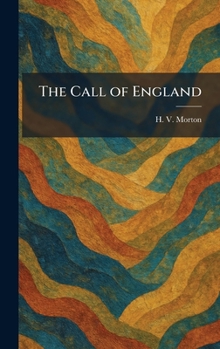
The Call of England

"The Call of England" is an evocative travelogue that captures the spirit and landscape of Northern England during the late 1920s. Following his previous explorations, H.V. Morton embarks on a motoring journey through the industrial heartlands and scenic countryside, offering a vivid snapshot of a nation in transition. From the bustling streets of Manchester and Liverpool to the ancient dignity of York and the rugged beauty of the Lake District, Morton observes the character of the people and the enduring charm of the land.
Written with the author's signature wit and keen eye for detail, the work blends historical anecdotes with contemporary social commentary. Morton explores the contrast between the manufacturing centers and the timeless serenity of the rural moors, providing readers with a deeply personal and engaging record of British life. This work remains a significant piece of travel literature, preserving the atmosphere of interwar England and celebrating the diverse heritage found within its borders. Whether describing a chance encounter at a local inn or reflecting on the historical weight of a cathedral, "The Call of England" serves as both a historical document and a timeless tribute to the English landscape.
This work has been selected by scholars as being culturally important, and is part of the knowledge base of civilization as we know it. This work was reproduced from the original artifact, and remains as true to the original work as possible. Therefore, you may see the original copyright references, library stamps (as most of these works have been housed in our most important libraries around the world), and other notations in the work.
This work is in the public domain in the United States of America, and possibly other nations. Within the United States, you may freely copy and distribute this work, as no entity (individual or corporate) has a copyright on the body of the work.
As a reproduction of a historical artifact, this work may contain missing or blurred pages, poor pictures, errant marks, etc. Scholars believe, and we concur, that this work is important enough to be preserved, reproduced, and made generally available to the public. We appreciate your support of the preservation process, and thank you for being an important part of keeping this knowledge alive and relevant.
Related Subjects
TravelCustomer Reviews
ThriftBooks ® and the ThriftBooks ® logo are registered trademarks of Thrift Books Global, LLC
