


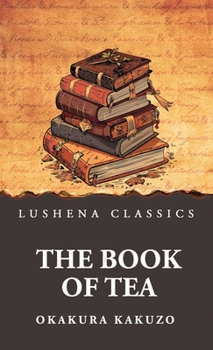
The Book of Tea
No Customer Reviews

The Book of Tea by Okakura Kakuzō is a reflective essay that uses the Japanese tea ceremony to explain East Asian philosophy and aesthetics. Okakura contrasts Eastern values-simplicity, harmony with nature, imperfection, and spiritual depth-with Western materialism and rationalism. Through discussions of art, architecture, Zen Buddhism, and daily life, he presents tea as a way of life rather than a drink, emphasizing mindfulness, humility, and the beauty of the ordinary. The book ultimately argues for cultural understanding and respect between East and West through shared appreciation of beauty and harmony.
Format:Hardcover
Language:English
ISBN:B0GGM1TBRT
ISBN13:9798897189960
Release Date:January 2026
Publisher:Lushena Books
Length:54 Pages
Weight:0.52 lbs.
Dimensions:0.3" x 5.5" x 8.5"
Customer Reviews
0 rating
Copyright © 2026 Thriftbooks.com Terms of Use
| Privacy Policy | Do Not
Sell/Share My Personal Information | Cookie Policy | Cookie Preferences | Accessibility Statement
ThriftBooks® and the ThriftBooks® logo are registered trademarks of Thrift Books Global, LLC
ThriftBooks® and the ThriftBooks® logo are registered trademarks of Thrift Books Global, LLC
