


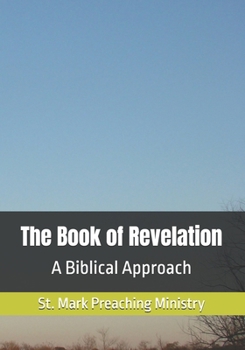
The Book of Revelation: A Biblical Approach
No Customer Reviews

The Book of Revelation serves as the culmination of the New Testament, delivering the Good News of the Father's love and salvation through His Son, Jesus Christ. Its central message echoes the profound truth of Scripture: "For God so loved the world, that He gave His only begotten Son, that whoever believes in Him shall not perish, but have eternal life" (John 3:16). It is a message of love, hope, and encouragement for all believers.
In Revelation, God unveils His glory, power, love, and redemptive purposes to renew creation through Christ. "God was in Christ reconciling the world to Himself" (2 Corinthians 5:19), and through His life, death, and resurrection, "Christ has redeemed us from the curse of the law" (Galatians 3:13). Understanding this redemption lies at the heart of Revelation, revealing God's ultimate victory over evil and His promise to make all things new.
Inspired by God, Revelation holds eternal relevance. Like all Scripture, it is "useful for teaching, for reproof, for correction, and for training in righteousness" (2 Timothy 3:16-17). To neglect this book is to forgo the blessings it offers, promised to those who read, understand, and keep its divine truth.
In times of uncertainty, Revelation reassures believers that the Father is sovereign, working out His eternal plan and triumphing over evil. Ultimately, God is victorious, granting victory to His people through the blood of the Lamb (Revelation 7:14, 12:11). This profound truth replaces fear with hope, calls us to worship, and inspires us to live holy lives in anticipation of Christ's return.The Biblical Approach: This book, "The Book of Revelation: A Biblical Approach," employs a spiritual approach that emphasizes idealism. However, it differs significantly from other books that use the same spiritual approach to interpretation. This commentary focuses on the message of the Gospel, the revelation of the Father, and His redemptive work through Christ by the power of the Holy Spirit, "For the witness of Jesus is the spirit of prophecy" (Revelation 19:10).
This commentary does not focus on the figures of the kingdom of darkness, as God defeated them for us, in Christ. The faithful believers look forward to "the blessed hope and glorious appearing of our great God and Savior Jesus Christ" (Titus 2:13), not to the coming of the Antichrist, also known as the Beast. The Book of Revelation is titled "The Revelation of Jesus Christ" (Revelation 1:1), not "The Revelation of the Beast" or "The Revelation of the Antichrist."
As this biblical insight may appear unfamiliar to some readers and commentators, we have made every effort to present a sound and faithful interpretation of Scripture. Nevertheless, our work in this book is but a humble seed planted in this direction, and we pray that more learned and insightful commentators may further advance this effort. The References: The primary reference used to write this commentary is the Holy Bible. We have made every effort possible to harmonize this commentary with the context of the whole Bible and the Liturgical Life. You may be surprised by the number of Bible quotations in this commentary, which utilize various English translations of numerous verses. New translations based on the original Hebrew and Greek texts are suggested to harmonize the understanding of the Book of Revelation with the biblical context and the original languages of the Bible.
In Revelation, God unveils His glory, power, love, and redemptive purposes to renew creation through Christ. "God was in Christ reconciling the world to Himself" (2 Corinthians 5:19), and through His life, death, and resurrection, "Christ has redeemed us from the curse of the law" (Galatians 3:13). Understanding this redemption lies at the heart of Revelation, revealing God's ultimate victory over evil and His promise to make all things new.
Inspired by God, Revelation holds eternal relevance. Like all Scripture, it is "useful for teaching, for reproof, for correction, and for training in righteousness" (2 Timothy 3:16-17). To neglect this book is to forgo the blessings it offers, promised to those who read, understand, and keep its divine truth.
In times of uncertainty, Revelation reassures believers that the Father is sovereign, working out His eternal plan and triumphing over evil. Ultimately, God is victorious, granting victory to His people through the blood of the Lamb (Revelation 7:14, 12:11). This profound truth replaces fear with hope, calls us to worship, and inspires us to live holy lives in anticipation of Christ's return.The Biblical Approach: This book, "The Book of Revelation: A Biblical Approach," employs a spiritual approach that emphasizes idealism. However, it differs significantly from other books that use the same spiritual approach to interpretation. This commentary focuses on the message of the Gospel, the revelation of the Father, and His redemptive work through Christ by the power of the Holy Spirit, "For the witness of Jesus is the spirit of prophecy" (Revelation 19:10).
This commentary does not focus on the figures of the kingdom of darkness, as God defeated them for us, in Christ. The faithful believers look forward to "the blessed hope and glorious appearing of our great God and Savior Jesus Christ" (Titus 2:13), not to the coming of the Antichrist, also known as the Beast. The Book of Revelation is titled "The Revelation of Jesus Christ" (Revelation 1:1), not "The Revelation of the Beast" or "The Revelation of the Antichrist."
As this biblical insight may appear unfamiliar to some readers and commentators, we have made every effort to present a sound and faithful interpretation of Scripture. Nevertheless, our work in this book is but a humble seed planted in this direction, and we pray that more learned and insightful commentators may further advance this effort. The References: The primary reference used to write this commentary is the Holy Bible. We have made every effort possible to harmonize this commentary with the context of the whole Bible and the Liturgical Life. You may be surprised by the number of Bible quotations in this commentary, which utilize various English translations of numerous verses. New translations based on the original Hebrew and Greek texts are suggested to harmonize the understanding of the Book of Revelation with the biblical context and the original languages of the Bible.
Format:Paperback
Language:English
ISBN:B0FH9NH4RM
ISBN13:9798291963555
Release Date:July 2025
Publisher:Independently Published
Length:526 Pages
Weight:1.99 lbs.
Dimensions:1.1" x 7.0" x 10.0"
Customer Reviews
0 rating
Copyright © 2025 Thriftbooks.com
Terms of Use | Privacy Policy | Do Not Sell/Share My Personal Information | Cookie Policy | Cookie Preferences | Accessibility Statement
ThriftBooks ® and the ThriftBooks ® logo are registered trademarks of Thrift Books Global, LLC
ThriftBooks ® and the ThriftBooks ® logo are registered trademarks of Thrift Books Global, LLC
