



Select Format
Select Condition 
Book Overview
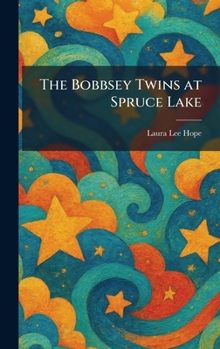
"The Bobbsey Twins at Spruce Lake" is an engaging installment in the long-running series of children's adventure stories. The narrative follows the two sets of twins-Nan and Bert, and the younger Freddie and Flossie-as they travel to the picturesque Spruce Lake for a family vacation. Immersed in the beauty of the great outdoors, the Bobbseys engage in various activities such as camping, boating, and exploring the wilderness, capturing the simple joys of a summer holiday.
While enjoying their time at the lake, the twins encounter a series of intriguing events and a light mystery that tests their resourcefulness and curiosity. As they work together to solve the puzzles they encounter, the story emphasizes themes of family cooperation, bravery, and the spirit of exploration. Written with the gentle charm that defined early 20th-century juvenile literature, the book offers a wholesome look at childhood adventure and domestic life. This work remains a notable example of the classic series book genre, providing a nostalgic experience for readers interested in the history of children's storytelling and the enduring appeal of the Bobbsey family's wholesome escapades.
This work has been selected by scholars as being culturally important, and is part of the knowledge base of civilization as we know it. This work was reproduced from the original artifact, and remains as true to the original work as possible. Therefore, you may see the original copyright references, library stamps (as most of these works have been housed in our most important libraries around the world), and other notations in the work.
This work is in the public domain in the United States of America, and possibly other nations. Within the United States, you may freely copy and distribute this work, as no entity (individual or corporate) has a copyright on the body of the work.
As a reproduction of a historical artifact, this work may contain missing or blurred pages, poor pictures, errant marks, etc. Scholars believe, and we concur, that this work is important enough to be preserved, reproduced, and made generally available to the public. We appreciate your support of the preservation process, and thank you for being an important part of keeping this knowledge alive and relevant.
Customer Reviews
ThriftBooks ® and the ThriftBooks ® logo are registered trademarks of Thrift Books Global, LLC
