


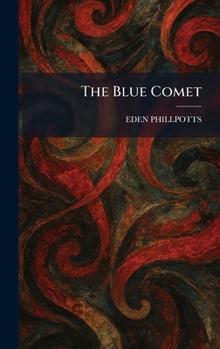
The Blue Comet

"The Blue Comet" is a compelling three-act play by the renowned dramatist Eden Phillpotts. Set against the backdrop of a looming cosmic catastrophe, the story follows the Bedane family as they confront the news that a giant comet is on a collision course with Earth. As the projected moment of impact nears, the characters' true natures are revealed, shifting from mundane household concerns to profound reflections on life, death, and legacy.
Phillpotts masterfully blends sharp drawing-room comedy with poignant social commentary. The play explores how different social classes and personality types respond to the ultimate existential threat-ranging from stoic resignation and religious fervor to chaotic hedonism and scientific detachment. With its witty dialogue and insightful character studies, "The Blue Comet" remains a fascinating exploration of human behavior under extreme pressure.
This work stands as a significant example of early 20th-century British drama, showcasing Phillpotts' ability to weave speculative themes into a traditional theatrical framework. It offers readers and performers alike a unique perspective on the "end of the world" trope, flavored with the distinct charm and intellectual vigor of the era.
This work has been selected by scholars as being culturally important, and is part of the knowledge base of civilization as we know it. This work was reproduced from the original artifact, and remains as true to the original work as possible. Therefore, you may see the original copyright references, library stamps (as most of these works have been housed in our most important libraries around the world), and other notations in the work.
This work is in the public domain in the United States of America, and possibly other nations. Within the United States, you may freely copy and distribute this work, as no entity (individual or corporate) has a copyright on the body of the work.
As a reproduction of a historical artifact, this work may contain missing or blurred pages, poor pictures, errant marks, etc. Scholars believe, and we concur, that this work is important enough to be preserved, reproduced, and made generally available to the public. We appreciate your support of the preservation process, and thank you for being an important part of keeping this knowledge alive and relevant.
Related Subjects
DramaCustomer Reviews
ThriftBooks ® and the ThriftBooks ® logo are registered trademarks of Thrift Books Global, LLC
