


The Black Monk (Heathen Short)

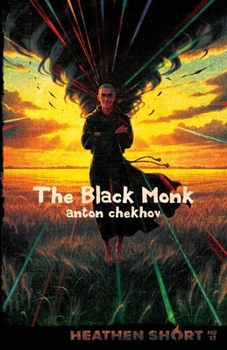
Anton Pavlovich Chekhov (1860-1904) was a Russian playwright and author, widely considered one of the greatest writers of all time. In his psychospiritual parable "The Black Monk," Chekhov explores the fragile boundary between genius and madness. Andrey Kovrin's retreat to a tranquil estate leads to ecstatic visions of a mysterious black-robed monk who affirms his divine purpose and intellectual superiority, fueling a manic euphoria that strains his health and relationships. When his wife intervenes - diagnosing delusion and demanding a cure - the treatment silences the vision. As the specter fades, Kovrin is left disillusioned, spiritually vacant, and creatively barren, his brilliance extinguished by the very remedy meant to restore him. Blending psychological realism with symbolic mysticism, Chekhov crafts a cautionary tale about the seduction of grandeur and the peril of outsourcing one's sanity - of letting others dictate the terms of your spiritual reality - and reveals how the suppression of visionary ecstasy can become its own quiet death.
Customer Reviews
ThriftBooks® and the ThriftBooks® logo are registered trademarks of Thrift Books Global, LLC
