


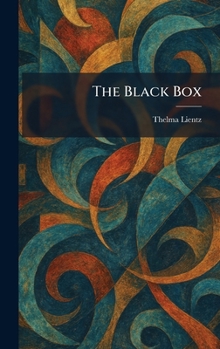

"The Black Box" is a compelling mystery novel that captures the intrigue and suspense characteristic of early 20th-century popular fiction. Written by Thelma Lientz, the narrative centers on a mysterious container and the profound impact its discovery has on a group of unsuspecting characters. As the secrets of the box begin to surface, the protagonists are drawn into a complex web of puzzles and danger, requiring them to use their keenest wits to navigate a series of escalating challenges.
Set against a backdrop of discovery and peril, the work explores themes of curiosity and the unknown. Lientz masterfully builds a sense of atmospheric tension, utilizing the classic tropes of the detective genre to keep readers engaged from the first page to the last. This story serves as an excellent example of the era's taste for adventure and intellectual sleuthing, offering a narrative that is both fast-paced and thoughtfully constructed. "The Black Box" remains a noteworthy contribution to the genre of historical mystery, providing a fascinating glimpse into the literary style of the late 1920s while delivering a timeless tale of secrets and their consequences.
This work has been selected by scholars as being culturally important, and is part of the knowledge base of civilization as we know it. This work was reproduced from the original artifact, and remains as true to the original work as possible. Therefore, you may see the original copyright references, library stamps (as most of these works have been housed in our most important libraries around the world), and other notations in the work.
This work is in the public domain in the United States of America, and possibly other nations. Within the United States, you may freely copy and distribute this work, as no entity (individual or corporate) has a copyright on the body of the work.
As a reproduction of a historical artifact, this work may contain missing or blurred pages, poor pictures, errant marks, etc. Scholars believe, and we concur, that this work is important enough to be preserved, reproduced, and made generally available to the public. We appreciate your support of the preservation process, and thank you for being an important part of keeping this knowledge alive and relevant.
Customer Reviews
ThriftBooks® and the ThriftBooks® logo are registered trademarks of Thrift Books Global, LLC
