


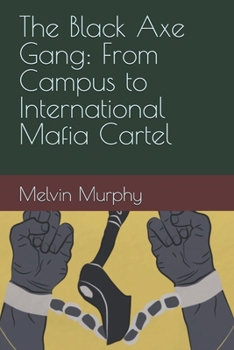
The Black Axe Gang: From Campus to International Mafia Cartel

The Black Axe Gang: From Campus to International Mafia Cartel
The Black Axe Gang: From Campus to Mafia Cartel offers a compelling and meticulously researched examination of the Neo-Black Movement of Africa, a group that tragically transformed from its origins as a Pan-Africanist student liberation organization into a sophisticated, transnational criminal enterprise. The book delves into this profound "paradox of liberation," illustrating how noble ideals, initially conceived to champion freedom and self-determination, were systematically perverted to legitimize acts of violence, exploitation, and illicit enrichment.
The narrative meticulously traces the group's genesis to Nigeria's university campuses in the 1970s, a period marked by pervasive post-colonial disillusionment and a yearning for a distinct African identity. It explores the foundational ideological tenets of "Neo-Blackism" and deciphers the powerful symbolism of the black axe. Originally envisioned as an emblem for dismantling the vestiges of colonialism and asserting African agency, the book reveals how these potent symbols were cunningly repurposed, becoming instruments for forging new forms of bondage and control, both within Nigeria and across international borders.
The book vividly details pivotal moments that underscore this radical transformation, including the devastating 1999 Obafemi Awolowo University massacre. This event is presented as a crucial turning point, solidifying the group's transition from a clandestine student fraternity to a full-fledged criminal enterprise with an audacious global reach. The Black Axe Gang exposes the intricate operational structure of the organization, particularly its highly effective "zonal system," which has facilitated its seamless global expansion and specialization in a diverse array of illicit activities. These include complex cyber-fraud schemes, often targeting individuals and corporations worldwide, and the abhorrent practice of human trafficking, preying on vulnerable populations for forced labor and sexual exploitation.
Furthermore, the book underscores the pervasive and systemic role of violence, deeply ingrained institutional corruption, and the sophisticated leveraging of technological innovation that have collectively propelled the Black Axe to its current status as a global criminal power. With estimated annual revenues exceeding five billion dollars, the organization's economic prowess is a stark testament to its adaptability and ruthlessness. The concluding sections of the book provide critical insights into international law enforcement responses to this formidable threat, acknowledging the persistent and complex challenges inherent in combating such a resilient, adaptable, and deeply entrenched criminal network. It offers a sobering reflection on the difficulties faced by authorities in disrupting and dismantling an organization that has so effectively exploited both ideological fervor and modern technological advancements for its nefarious ends.
Customer Reviews
ThriftBooks ® and the ThriftBooks ® logo are registered trademarks of Thrift Books Global, LLC
