


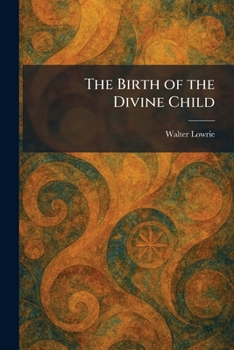
The Birth of the Divine Child

The Birth of the Divine Child is a profound theological exploration of the Christmas narrative and the significance of the Incarnation. Written by the esteemed theologian Walter Lowrie, this work delves into the spiritual and historical dimensions of the Nativity as presented in the Gospels and Christian tradition. Lowrie examines the figure of the Christ child not merely as a historical event, but as a central mystery of the Christian faith that bridges the gap between the divine and the human.
The book provides a scholarly yet accessible analysis of the themes surrounding the birth of Jesus, including the messianic expectations of the ancient world and the theological implications of God becoming flesh. Through a blend of historical insight and devotional reflection, Lowrie invites readers to contemplate the divine child as a symbol of hope and transformation. This work serves as a valuable resource for those interested in Christology, liturgical studies, and the deeper meanings of the Advent season. With its focus on the intersection of history and faith, "The Birth of the Divine Child" offers a classic perspective on one of Christianity's most foundational events.
This work has been selected by scholars as being culturally important, and is part of the knowledge base of civilization as we know it. This work was reproduced from the original artifact, and remains as true to the original work as possible. Therefore, you may see the original copyright references, library stamps (as most of these works have been housed in our most important libraries around the world), and other notations in the work.
This work is in the public domain in the United States of America, and possibly other nations. Within the United States, you may freely copy and distribute this work, as no entity (individual or corporate) has a copyright on the body of the work.
As a reproduction of a historical artifact, this work may contain missing or blurred pages, poor pictures, errant marks, etc. Scholars believe, and we concur, that this work is important enough to be preserved, reproduced, and made generally available to the public. We appreciate your support of the preservation process, and thank you for being an important part of keeping this knowledge alive and relevant.
Customer Reviews
ThriftBooks ® and the ThriftBooks ® logo are registered trademarks of Thrift Books Global, LLC
