


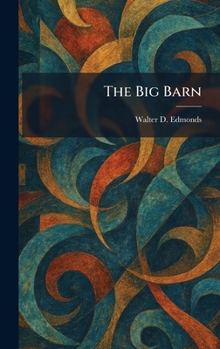
The Big Barn

"The Big Barn" is a compelling historical novel set against the rugged backdrop of the Black River valley in upstate New York during the mid-nineteenth century. The narrative follows the life of Ralph Wilder, a powerful and determined patriarch whose ambition is embodied in the construction of a massive, stone-walled barn-a structure intended to stand as a lasting monument to his family's prosperity. As the monumental building rises, the internal stability of the Wilder family begins to fracture under the pressure of hidden passions and conflicting loyalties.
Set during the era of the Civil War, the story explores the complex relationships between Wilder, his sons, and the women they bring into the family fold. Walter D. Edmonds expertly portrays the challenges of frontier life and the deep connections between the characters and the land they cultivate. The work is a profound exploration of human obsession and the weight of legacy, capturing the essence of a transformative period in American history. Through its rich detail and dramatic storytelling, "The Big Barn" remains a significant piece of regional literature that examines the intricate bonds of family and the iron will of a man driven to leave his mark on the world.
This work has been selected by scholars as being culturally important, and is part of the knowledge base of civilization as we know it. This work was reproduced from the original artifact, and remains as true to the original work as possible. Therefore, you may see the original copyright references, library stamps (as most of these works have been housed in our most important libraries around the world), and other notations in the work.
This work is in the public domain in the United States of America, and possibly other nations. Within the United States, you may freely copy and distribute this work, as no entity (individual or corporate) has a copyright on the body of the work.
As a reproduction of a historical artifact, this work may contain missing or blurred pages, poor pictures, errant marks, etc. Scholars believe, and we concur, that this work is important enough to be preserved, reproduced, and made generally available to the public. We appreciate your support of the preservation process, and thank you for being an important part of keeping this knowledge alive and relevant.
Customer Reviews
ThriftBooks ® and the ThriftBooks ® logo are registered trademarks of Thrift Books Global, LLC
