


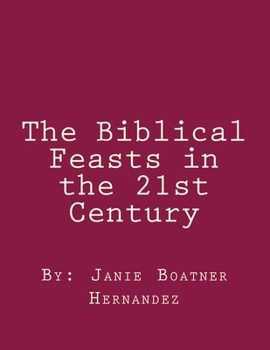
The Biblical Feasts in the 21st Century
No Customer Reviews

This guide explores the Biblical Feasts of the Lord, emphasizing their perpetual nature and spiritual significance for believers today. It details how these feasts connect Old and New Testament teachings, symbolizing key events in Christian faith, and provides practical instructions for their observance.Perpetual Feasts of God: The feasts include Passover, Unleavened Bread, First Fruits, Pentecost, Trumpets, Atonement, Tabernacles, and Sabbath, which are not merely Jewish customs but ordained by God to be observed forever. They symbolize major spiritual events such as the cross, resurrection, and future heavenly promises. Passover, Unleavened Bread, and First Fruits: These interconnected feasts span eight days in March or April, commemorating Jesus' crucifixion, sin cleansing, and resurrection. The Passover Seder includes symbolic foods like roasted bone, bitter herbs, and charoset, with a detailed order of service reflecting salvation history. Seder Rituals and Symbolism: The Seder involves steps such as searching for leaven (sin), lighting candles, recounting the Exodus story, and eating symbolic foods like matzoh and maror. The Afikoman, hidden and later found, represents Jesus' burial and resurrection. Four cups of wine correspond to God's promises and the hope of Jesus' return. Shavu'ot (Pentecost) Celebration: Known by multiple biblical names, this feast occurs in late May or early June, marking the wheat harvest, the giving of the Torah, and the coming of the Holy Spirit. Customs include eating dairy foods, decorating with flowers and fruits, and prayer. Yom Teru'ah (Trumpets): Observed in September, this day is a holy convocation marked by blowing the shofar (ram's horn) and joyful shouting. It symbolizes the future rapture and calls for public prayer and praise. The feast contrasts with later pagan-influenced New Year celebrations. Yom Kippur (Day of Atonement): The holiest day involving fasting and rest, commemorating atonement for sins through animal sacrifices in the Old Testament. Christians are encouraged to honor Christ's ultimate sacrifice by extending forgiveness, fasting, and prayer. Sukkot (Feast of Tabernacles): A joyful seven-day festival in late September or October involving dwelling in a sukkah (temporary booth), waving the lulav (four species), and rejoicing in God's provision. It prophetically symbolizes God's sheltering presence and the future millennial kingdom. Sabbath Observance: Weekly celebration beginning Friday sunset with candle lighting, blessings over bread and wine representing the Father, Son, and Holy Spirit, and rest in remembrance of creation and deliverance from sin. Additional Feasts and Practices: Purim celebrates Jewish deliverance with readings, charity, and festive meals; Hanukkah commemorates the rededication of the Temple and the miracle of oil with menorah lighting and traditional foods; kosher dietary laws are explained with allowances and restrictions, noting their spiritual and health significance.
Format:Paperback
Language:English
ISBN:1519173342
ISBN13:9781519173348
Release Date:March 2016
Publisher:Createspace Independent Publishing Platform
Length:110 Pages
Weight:0.82 lbs.
Dimensions:0.3" x 8.5" x 11.0"
Customer Reviews
0 rating
Copyright © 2026 Thriftbooks.com Terms of Use
| Privacy Policy | Do Not
Sell/Share My Personal Information | Cookie Policy | Cookie Preferences | Accessibility Statement
ThriftBooks® and the ThriftBooks® logo are registered trademarks of Thrift Books Global, LLC
ThriftBooks® and the ThriftBooks® logo are registered trademarks of Thrift Books Global, LLC
