


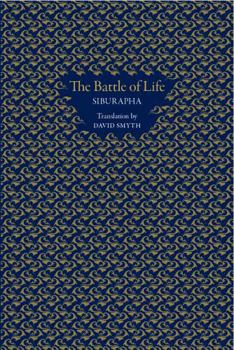
The Battle of Life

Not merely a landmark of modern Thai fiction, this work is written at the fault line of history. Published in June 1932--the very month that ended absolute monarchy in Siam--the novel captures the moral anxieties, social inequalities, and intellectual ferment of a nation on the brink of transformation, offering rare insight into the era's emotional and ethical vocabulary.
Structured as an intimate epistolary exchange between two young idealists--Raphin, an aspiring writer and minor civil servant, and Phloen, a once-privileged young woman facing sudden hardship--the novel moves beyond romance into social critique. Readers encounter corruption in the bureaucracy, hollow religiosity, class prejudice, censorship, medical injustice, and the fragility of idealism in a rapidly modernizing society.
Often described as the first Thai humanitarian novel, The Battle of Life marks a turning point in literary consciousness and functions simultaneously as narrative art and historical witness. Its controversial ending shocked contemporary readers but stands as a deliberate moral challenge: an insistence that literature must confront society, not comfort it.
Customer Reviews
ThriftBooks ® and the ThriftBooks ® logo are registered trademarks of Thrift Books Global, LLC
