


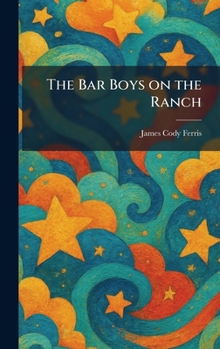
The Bar Boys on the Ranch

"The Bar Boys on the Ranch" follows the spirited adventures of Roy and Teddy Manley, two brothers living on the expansive X Bar X Ranch. Set against the rugged backdrop of the American West, this classic tale of juvenile adventure captures the essence of ranch life, from the daily rigors of cattle herding to the excitement of outsmarting cattle rustlers and exploring the untamed frontier. As the brothers navigate the challenges of the open range, they demonstrate bravery, resourcefulness, and a strong sense of justice.
This work serves as an engaging entry in a series that defined Western adventure for young readers in the early twentieth century. With its focus on outdoor skill, brotherly bonds, and the romanticized landscape of the cowboy era, "The Bar Boys on the Ranch" offers a nostalgic look at a bygone era of storytelling. The narrative is filled with action-packed sequences and authentic western flavor that continues to appeal to fans of traditional frontier fiction. Through the eyes of the Manley brothers, readers experience the trials and triumphs of those who worked the land and protected their home in a landscape where nature and outlaws alike presented constant obstacles.
This work has been selected by scholars as being culturally important, and is part of the knowledge base of civilization as we know it. This work was reproduced from the original artifact, and remains as true to the original work as possible. Therefore, you may see the original copyright references, library stamps (as most of these works have been housed in our most important libraries around the world), and other notations in the work.
This work is in the public domain in the United States of America, and possibly other nations. Within the United States, you may freely copy and distribute this work, as no entity (individual or corporate) has a copyright on the body of the work.
As a reproduction of a historical artifact, this work may contain missing or blurred pages, poor pictures, errant marks, etc. Scholars believe, and we concur, that this work is important enough to be preserved, reproduced, and made generally available to the public. We appreciate your support of the preservation process, and thank you for being an important part of keeping this knowledge alive and relevant.
Customer Reviews
ThriftBooks ® and the ThriftBooks ® logo are registered trademarks of Thrift Books Global, LLC
