


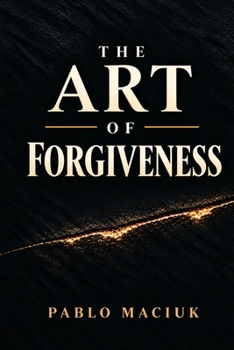
The Art of Forgiveness

Forgiveness is easy to talk about when the wound belongs to someone else. It becomes much harder when the wound is yours.
What do you do when the person who hurt you never apologizes?
Can you forgive someone you no longer trust? Does forgiveness require reconciliation? Can you forgive and still establish boundaries? What if justice still matters? And what happens when the person you cannot release is yourself?
The Art of Forgiveness goes beyond the familiar Christian instruction to "just forgive" and addresses what forgiveness looks like when betrayal, broken trust, family wounds, injustice, regret, and loss become personal.
Grounded in Scripture and written for the realities of everyday life, Pablo Maciuk explores the difficult questions that often remain after we are told we should forgive.
Inside, you'll discover:
- What biblical forgiveness really means, and what it does not
- Why forgiveness does not require forgetting or pretending the wound did not matter
- The difference between forgiveness, trust, and reconciliation
- Why boundaries and consequences can coexist with forgiveness
- How to respond when the person who hurt you is not sorry
- How resentment can become bitterness and affect relationships far removed from the original wound
- What forgiveness looks like in marriages, families, friendships, workplaces, churches, and situations involving injustice
- How to face your own failures without living under permanent self-condemnation
- How to pursue justice without allowing vengeance to take control
- How to build a life in which forgiveness becomes more than a single decision
Forgiveness does not ask you to call evil good. It does not erase the past. It does not automatically restore trust, remove consequences, or require you to give someone unlimited access to your life.
Instead, forgiveness asks a much more difficult question:
What will you do with the debt?
You may never receive the apology you deserved. You may never recover everything that was taken from you. The past may always remain part of your story.
But it does not have to control what happens next.
The wound may be part of your story. It does not have to become the author of the rest of it.
The Art of Forgiveness is an invitation to confront the wound honestly, surrender what you were never meant to carry forever, and discover the freedom that becomes possible when forgiveness moves from something we talk about to something we learn to live.
Customer Reviews
ThriftBooks ® and the ThriftBooks ® logo are registered trademarks of Thrift Books Global, LLC
