


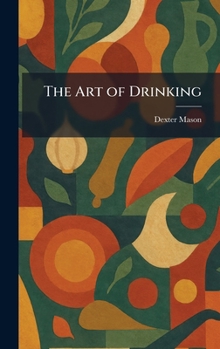
The Art of Drinking

"The Art of Drinking" is a sophisticated and charming guide to the world of spirits and mixology, crafted during a significant turning point in social history. Written by the witty and knowledgeable Dexter Mason, this work serves as both a practical manual for the aspiring host and a delightful window into the drinking culture of the early 20th century.
The book covers the essential foundations of a well-appointed bar, from glassware and tools to the selection of fine liquors. It features a curated collection of classic cocktail recipes, ranging from the timeless Martini to more adventurous concoctions of the era. Beyond the recipes, Mason explores the etiquette and philosophy behind social drinking, emphasizing the importance of quality, moderation, and the true art of hospitality.
Whether looking to master the perfect pour or simply wishing to enjoy a historical perspective on the craft of the cocktail, "The Art of Drinking" offers a blend of instruction and entertainment that remains as refreshing today as it was upon its debut. This volume stands as an essential resource for collectors of vintage mixology guides and enthusiasts of social history alike.
This work has been selected by scholars as being culturally important, and is part of the knowledge base of civilization as we know it. This work was reproduced from the original artifact, and remains as true to the original work as possible. Therefore, you may see the original copyright references, library stamps (as most of these works have been housed in our most important libraries around the world), and other notations in the work.
This work is in the public domain in the United States of America, and possibly other nations. Within the United States, you may freely copy and distribute this work, as no entity (individual or corporate) has a copyright on the body of the work.
As a reproduction of a historical artifact, this work may contain missing or blurred pages, poor pictures, errant marks, etc. Scholars believe, and we concur, that this work is important enough to be preserved, reproduced, and made generally available to the public. We appreciate your support of the preservation process, and thank you for being an important part of keeping this knowledge alive and relevant.
Customer Reviews
ThriftBooks ® and the ThriftBooks ® logo are registered trademarks of Thrift Books Global, LLC
