


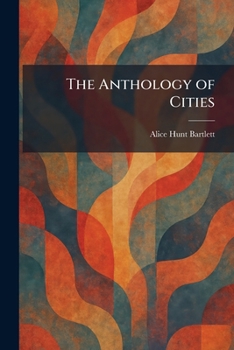
The Anthology of Cities

"The Anthology of Cities" is an evocative collection of verse and prose dedicated to the spirit, history, and atmosphere of the world's most iconic urban landscapes. Compiled by Alice Hunt Barlett, this work brings together a diverse array of perspectives that capture the essence of metropolitan life during the early 20th century. From the bustling streets of New York and London to the historic charm of Paris and Rome, the anthology explores the unique character of each city through the eyes of various contributors.
This volume serves as a literary travelogue, blending poetic imagery with a deep appreciation for the architecture, culture, and humanity that define a city. The poems within reflect a time of rapid urbanization and global change, offering readers a nostalgic yet vibrant look at how cities have long inspired the creative mind. Whether celebrating the grandeur of a capital or the quiet corners of a coastal town, "The Anthology of Cities" remains a testament to the enduring allure of the urban environment.
Perfect for lovers of poetry and travel literature, this anthology provides a panoramic view of the world's great centers of civilization. It stands as a significant historical document of literary geography, preserving the sentiments and observations of an era captivated by the rise of the modern metropolis.
This work has been selected by scholars as being culturally important, and is part of the knowledge base of civilization as we know it. This work was reproduced from the original artifact, and remains as true to the original work as possible. Therefore, you may see the original copyright references, library stamps (as most of these works have been housed in our most important libraries around the world), and other notations in the work.
This work is in the public domain in the United States of America, and possibly other nations. Within the United States, you may freely copy and distribute this work, as no entity (individual or corporate) has a copyright on the body of the work.
As a reproduction of a historical artifact, this work may contain missing or blurred pages, poor pictures, errant marks, etc. Scholars believe, and we concur, that this work is important enough to be preserved, reproduced, and made generally available to the public. We appreciate your support of the preservation process, and thank you for being an important part of keeping this knowledge alive and relevant.
Customer Reviews
ThriftBooks ® and the ThriftBooks ® logo are registered trademarks of Thrift Books Global, LLC
