


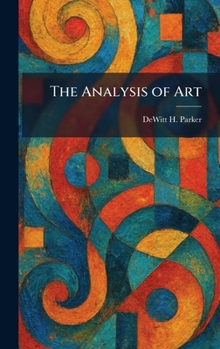
The Analysis of Art

"The Analysis of Art" is a profound philosophical inquiry into the nature and function of artistic creation. This work explores the fundamental elements that constitute the aesthetic experience, examining how art serves as a primary vehicle for human expression and communication. DeWitt H. Parker delves deeply into the relationship between form and content, arguing that art is not merely an imitation of reality but a sophisticated transformation of experience into a structured, meaningful whole.
Throughout the text, the author analyzes various mediums-including painting, sculpture, and architecture-to uncover the universal principles that govern artistic value. He addresses complex themes such as the role of imagination, the significance of rhythm and design, and the psychological impact of beauty on the observer. By synthesizing classical aesthetic theories with the psychological insights of the early twentieth century, Parker provides a rigorous framework for understanding why art matters and how it functions as a unique mode of knowledge.
"The Analysis of Art" remains a significant contribution to the field of aesthetics, offering readers a clear and insightful guide to the intellectual underpinnings of the visual arts. It is a valuable resource for students of philosophy, art history, and anyone seeking a deeper appreciation of the creative spirit.
This work has been selected by scholars as being culturally important, and is part of the knowledge base of civilization as we know it. This work was reproduced from the original artifact, and remains as true to the original work as possible. Therefore, you may see the original copyright references, library stamps (as most of these works have been housed in our most important libraries around the world), and other notations in the work.
This work is in the public domain in the United States of America, and possibly other nations. Within the United States, you may freely copy and distribute this work, as no entity (individual or corporate) has a copyright on the body of the work.
As a reproduction of a historical artifact, this work may contain missing or blurred pages, poor pictures, errant marks, etc. Scholars believe, and we concur, that this work is important enough to be preserved, reproduced, and made generally available to the public. We appreciate your support of the preservation process, and thank you for being an important part of keeping this knowledge alive and relevant.
Customer Reviews
ThriftBooks ® and the ThriftBooks ® logo are registered trademarks of Thrift Books Global, LLC
