


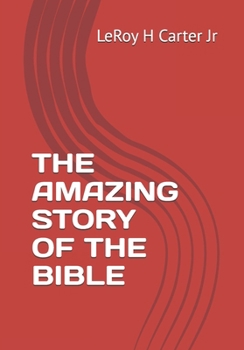
The Amazing Story of the Bible
No Customer Reviews

Understanding how we got the Bible offers insight into its significance. The Bible has undergone a long history of transcription and translation, starting from its original languages-Hebrew, Aramaic, and Greek-to the English and vernacular languages spoken today. Early translations, such as the Septuagint, paved the way for the Bible's accessibility to non-Hebrew speakers. The invention of the printing press in the 15th century was pivotal in spreading the Bible, particularly with Martin Luther's translation into German, which made the texts available to the masses. This movement towards translation not only made the Bible more accessible but also sparked intellectual and spiritual transformations across Europe and beyond. The modern era has seen a plethora of translations aimed at capturing the nuances of the original scriptures, ensuring that people from all walks of life can engage with its teachings in a language they understand. This is essential, as reading the Bible in one's own language can lead to deeper personal reflections and a clearer understanding of its moral and ethical guidance.
Format:Paperback
Language:English
ISBN:B0F7HTQZRP
ISBN13:9798282533873
Release Date:May 2025
Publisher:Independently Published
Length:86 Pages
Weight:0.33 lbs.
Dimensions:0.2" x 6.7" x 9.6"
Customer Reviews
0 rating
Copyright © 2026 Thriftbooks.com Terms of Use
| Privacy Policy | Do Not
Sell/Share My Personal Information | Cookie Policy | Cookie Preferences | Accessibility Statement
ThriftBooks® and the ThriftBooks® logo are registered trademarks of Thrift Books Global, LLC
ThriftBooks® and the ThriftBooks® logo are registered trademarks of Thrift Books Global, LLC
