


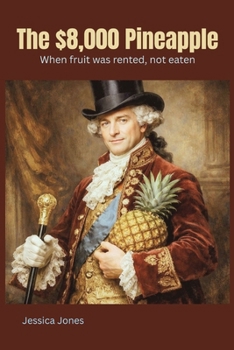
The $8,000 Pineapple: When Fruit Was Rented, Not Eaten

In the modern world, pineapples sit quietly in grocery stores, stacked in piles and sold for only a few dollars. They are common, ordinary fruit.
But there was a time when a single pineapple was worth the equivalent of thousands of dollars.
When Europeans first encountered the pineapple during the age of exploration, they had never seen anything like it. Native to the Caribbean and South America, the fruit stunned explorers with its sweetness, fragrance, and exotic appearance. Christopher Columbus brought the first reports of pineapples back to Europe in 1493, and almost immediately the fruit became an obsession.
But pineapples came with a problem.
They could only grow in tropical climates, and transporting them across the Atlantic was extremely difficult. Most fruit spoiled during the long voyage. Only a handful ever arrived in Europe in edible condition.
This rarity transformed the pineapple into the ultimate status symbol.
In the royal courts of Europe, the pineapple became a display of wealth and prestige. Aristocrats would showcase the fruit at elaborate dinner parties. Guests would admire it, marvel at its exotic origin, and speak of the host's wealth and connections.
Often the pineapple was never eaten.
Instead, it might be rented from fruit merchants who specialized in supplying pineapples to the wealthy. The same fruit could appear at multiple events, traveling from one aristocratic table to another until it finally rotted.
Owning a pineapple meant power.
Determined to grow them locally, European elites began building elaborate heated greenhouses called pineapple pits. These structures required enormous amounts of labor and fuel to maintain tropical conditions in cold climates. Only kings and the richest nobles could afford such luxury.
Producing a single pineapple in Europe was a triumph worthy of paintings, celebrations, and royal pride.
But like many luxury symbols, the pineapple's prestige did not last forever.
As global trade expanded and colonial plantations increased production, pineapples became more accessible. What had once been a symbol of extreme wealth slowly became an ordinary fruit.
Today pineapples are sliced into fruit salads, baked onto pizzas, and sold in supermarkets around the world.
Few people realize that this common fruit was once among the most expensive foods on Earth.
The $8,000 Pineapple tells the surprising story of how a tropical fruit became the ultimate luxury item-and how changing trade, technology, and agriculture transformed it from a royal treasure into everyday food.
It is a strange and revealing chapter of history where status, obsession, and global trade collided over something as simple as a piece of fruit.
Customer Reviews
ThriftBooks ® and the ThriftBooks ® logo are registered trademarks of Thrift Books Global, LLC
