


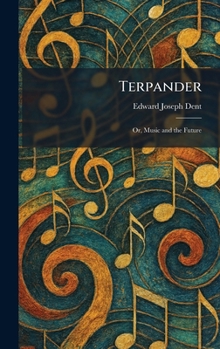
Terpander: Or, Music and the Future

"Terpander; Or, Music and the Future" is an insightful exploration of the development and destiny of Western music, written by the renowned musicologist Edward Joseph Dent. Drawing its title from the legendary Greek musician Terpander, the work examines the historical progression of musical forms and the philosophical underpinnings of melody, harmony, and rhythm. Dent provides a thought-provoking analysis of how music evolved from its ancient origins to the complex structures of the early 20th century, offering a visionary perspective on where the art form might head next.
The text delves into the relationship between the listener and the composer, questioning the nature of musical appreciation and the cultural shifts that influence artistic innovation. By bridging the gap between classical tradition and the emerging trends of modernism, Dent offers readers a profound meditation on the enduring power of music as a human expression. This work remains a significant contribution to musicology, providing both a historical retrospective and a speculative look at the rhythmic and harmonic possibilities of the future. It is an essential read for scholars, musicians, and anyone interested in the intellectual history of musical evolution.
This work has been selected by scholars as being culturally important, and is part of the knowledge base of civilization as we know it. This work was reproduced from the original artifact, and remains as true to the original work as possible. Therefore, you may see the original copyright references, library stamps (as most of these works have been housed in our most important libraries around the world), and other notations in the work.
This work is in the public domain in the United States of America, and possibly other nations. Within the United States, you may freely copy and distribute this work, as no entity (individual or corporate) has a copyright on the body of the work.
As a reproduction of a historical artifact, this work may contain missing or blurred pages, poor pictures, errant marks, etc. Scholars believe, and we concur, that this work is important enough to be preserved, reproduced, and made generally available to the public. We appreciate your support of the preservation process, and thank you for being an important part of keeping this knowledge alive and relevant.
Customer Reviews
ThriftBooks ® and the ThriftBooks ® logo are registered trademarks of Thrift Books Global, LLC
