


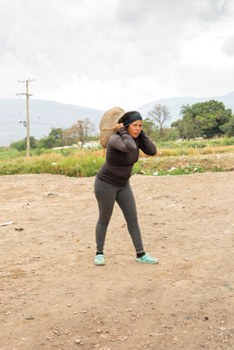
Teresa Margolles: At the Scene / En El Lugar de Los Hechos

Drawn from the physical processes surrounding death, decay and burial, Margolles' conceptual works manifest the most searing stories of our time with piercing insight
For nearly 30 years, Teresa Margolles (born 1963) has gone where few artists have gone: investigating the social and aesthetic dimensions of conflict and violence, and creating sculptural installations, photographs, films and performances that bear witness to suppressed stories and unspeakable acts. Trained as a forensic pathologist, Margolles creates works that examine the implications of transnational violence through methodical research, site-specific interventions and a radical rethinking of the memorial. Her works often use found objects and seemingly ordinary materials like concrete and earth to make palpable the forces that underlie and enable violence, and to bring pressing systemic issues into the personal realm.
Published in conjunction with the first major survey of the artist's work in the United States, presented at MoMA PS1 and the Museum of Modern Art, New York, this book is the most extensive exploration to date of her powerful practice, including close studies of her work on the US-Mexico border, drug trafficking and global migration, and Latin American feminism.
Customer Reviews
ThriftBooks ® and the ThriftBooks ® logo are registered trademarks of Thrift Books Global, LLC
