


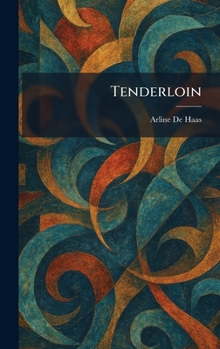
Tenderloin

"Tenderloin" is a gripping tale of mystery and suspense set against the backdrop of New York City's notorious underworld during the height of the Prohibition era. Written by Arline De Haas, this narrative plunges readers into a world of shadows, where the line between law and crime is often blurred. The story follows a young woman who finds herself unjustly accused and entangled in a dangerous web of deceit involving hardened criminals and the police force of the infamous Tenderloin district.
As the plot unfolds, the work captures the atmospheric tension of the 1920s, highlighting themes of loyalty, betrayal, and the struggle for justice in a corrupt environment. De Haas masterfully depicts the grit and glamour of the period, offering a vivid portrayal of the urban landscape and the desperate characters who inhabit it. "Tenderloin" remains a significant example of early 20th-century crime fiction, reflecting the social anxieties and cultural shifts of its time.
This work stands as a compelling piece of vintage noir, characterized by its fast-paced plotting and evocative setting. It provides a fascinating look at the crime genre as it began to evolve into the hard-boiled style that would later dominate popular literature.
This work has been selected by scholars as being culturally important, and is part of the knowledge base of civilization as we know it. This work was reproduced from the original artifact, and remains as true to the original work as possible. Therefore, you may see the original copyright references, library stamps (as most of these works have been housed in our most important libraries around the world), and other notations in the work.
This work is in the public domain in the United States of America, and possibly other nations. Within the United States, you may freely copy and distribute this work, as no entity (individual or corporate) has a copyright on the body of the work.
As a reproduction of a historical artifact, this work may contain missing or blurred pages, poor pictures, errant marks, etc. Scholars believe, and we concur, that this work is important enough to be preserved, reproduced, and made generally available to the public. We appreciate your support of the preservation process, and thank you for being an important part of keeping this knowledge alive and relevant.
Customer Reviews
ThriftBooks ® and the ThriftBooks ® logo are registered trademarks of Thrift Books Global, LLC
