


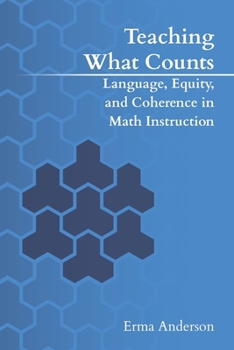
Teaching What Counts: Language, Equity, and Coherence in Math Instruction

Transform math instruction with a framework that integrates language-rich practices, supports multilingual learners, and fosters equity. Align standards and assessments to create a unified approach that enhances student learning and engagement in K-8 classrooms.
Teaching What Counts: Language, Equity, and Coherence in Math Instruction offers educators a comprehensive guide to designing math instruction that is both coherent and equitable. This book emphasizes the importance of embedding vocabulary, discourse, reading, writing, and representation into math lessons, ensuring that all learners, particularly multilingual students and those with unfinished learning, receive the support they need. By utilizing growth-model rubrics and inclusive planning, educators can align standards, assessments, and interventions, breaking down silos that often hinder effective teaching.
The authors blend research with practical classroom applications, providing strategies that help teachers create a language-rich environment conducive to learning. Readers will discover how to intentionally integrate language practices into their math instruction, fostering an inclusive atmosphere that values diverse perspectives and experiences. This approach not only enhances student engagement but also promotes a deeper understanding of mathematical concepts.
Teaching What Counts serves as an essential resource for K-8 educators, instructional coaches, and school leaders dedicated to improving math education. It encourages a shift towards a unified instructional framework that reflects how students learn best, ultimately leading to improved outcomes for all learners. With its focus on equity and coherence, this book is a vital tool for those committed to fostering an inclusive educational environment where every student can thrive. Embrace the transformative potential of math instruction with Teaching What Counts and empower your students to succeed.
Customer Reviews
ThriftBooks® and the ThriftBooks® logo are registered trademarks of Thrift Books Global, LLC
