


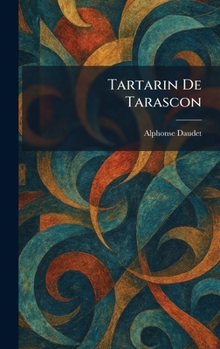
Tartarin De Tarascon

"Tartarin De Tarascon" is a celebrated masterpiece of French satire by Alphonse Daudet, presenting the humorous exploits of its titular protagonist, a boastful local hero from the small Proven al town of Tarascon. Tartarin is a man of grand imagination and even grander claims, known among his neighbors as a peerless hunter and adventurer, despite never having left the comfort of his home. Driven by the pressure of his own reputation and a desire for true glory, he eventually embarks on a perilous journey to Algeria with the goal of hunting the legendary Atlas lions.
Daudet's narrative expertly blends comedy and social commentary, poking fun at the provincialism and romantic delusions of the nineteenth-century French middle class. Through Tartarin's absurd encounters and misadventures in North Africa, the work explores themes of heroism, identity, and the clash between fantasy and reality. This classic tale remains a cornerstone of humorous literature, beloved for its vivid characterization and the enduring charm of its misguided yet well-meaning hero. Readers will find in "Tartarin De Tarascon" a timeless exploration of the human tendency to embellish the truth and the often-ridiculous pursuit of fame.
This work has been selected by scholars as being culturally important, and is part of the knowledge base of civilization as we know it. This work was reproduced from the original artifact, and remains as true to the original work as possible. Therefore, you may see the original copyright references, library stamps (as most of these works have been housed in our most important libraries around the world), and other notations in the work.
This work is in the public domain in the United States of America, and possibly other nations. Within the United States, you may freely copy and distribute this work, as no entity (individual or corporate) has a copyright on the body of the work.
As a reproduction of a historical artifact, this work may contain missing or blurred pages, poor pictures, errant marks, etc. Scholars believe, and we concur, that this work is important enough to be preserved, reproduced, and made generally available to the public. We appreciate your support of the preservation process, and thank you for being an important part of keeping this knowledge alive and relevant.
Customer Reviews
ThriftBooks ® and the ThriftBooks ® logo are registered trademarks of Thrift Books Global, LLC
