


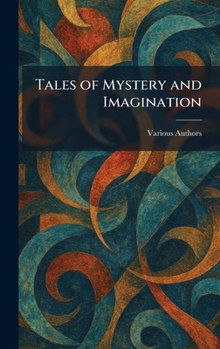
Tales of Mystery and Imagination

"Edgar Allan Poe's Tales of Mystery and Imagination" is a cornerstone collection of Gothic fiction and psychological horror. Renowned for its exploration of the macabre, the supernatural, and the depths of human despair, this work showcases the unparalleled brilliance of Edgar Allan Poe. Within its pages, readers encounter some of the most influential short stories in literary history, ranging from chilling tales of premature burial and haunting spirits to the pioneering logic of the world's first detective fiction.
This collection delves into themes of guilt, obsession, and the thin line between sanity and madness. Masterpieces like "The Fall of the House of Usher," "The Tell-Tale Heart," and "The Murders in the Rue Morgue" highlight Poe's ability to evoke atmosphere and dread with meticulous precision. Poe's prose is characterized by its lyrical intensity and its focus on the "unity of effect," ensuring that every sentence contributes to a singular, lingering emotional impact.
A vital contribution to the development of the short story form, "Edgar Allan Poe's Tales of Mystery and Imagination" continues to captivate those drawn to the dark and the enigmatic. It remains an essential volume for fans of classic literature, horror, and mystery alike, illustrating why Poe remains a master of the macabre nearly two centuries later.
This work has been selected by scholars as being culturally important, and is part of the knowledge base of civilization as we know it. This work was reproduced from the original artifact, and remains as true to the original work as possible. Therefore, you may see the original copyright references, library stamps (as most of these works have been housed in our most important libraries around the world), and other notations in the work.
This work is in the public domain in the United States of America, and possibly other nations. Within the United States, you may freely copy and distribute this work, as no entity (individual or corporate) has a copyright on the body of the work.
As a reproduction of a historical artifact, this work may contain missing or blurred pages, poor pictures, errant marks, etc. Scholars believe, and we concur, that this work is important enough to be preserved, reproduced, and made generally available to the public. We appreciate your support of the preservation process, and thank you for being an important part of keeping this knowledge alive and relevant.
Customer Reviews
ThriftBooks ® and the ThriftBooks ® logo are registered trademarks of Thrift Books Global, LLC
