


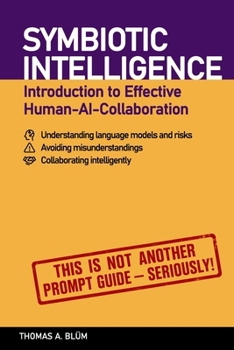
SYMBIOTIC INTELLIGENCE - Introduction to Effective Human-AI-Collaboration

What if you could understand AI without becoming an AI expert?
You use ChatGPT, Claude, Gemini or another language model. You ask questions, get answers, develop ideas and solve problems together. But what is actually happening on the other side of the conversation?
And how can you work with a language model effectively without treating it like a human-or simply handing your thinking over to it?
Effective human-AI collaboration requires more than knowing how to use a tool. It requires understanding what the technology can do, recognizing its limitations, and thinking critically about the results.
Symbiotic Intelligence: Introduction to Effective Human-AI Collaboration provides a clear and accessible introduction to the technology, the interaction, and the risks behind modern language models. You don't need technical expertise to get started. What matters is understanding the principles that shape your interaction with AI-and learning how to put that understanding into practice.
In this book, you will learn:
how large language models actually work and why they can produce remarkably convincing answerswhy probability and truth are not the same thingwhy a model can appear to think, understand, or have intentions without this necessarily being the casehow hallucinations and other model-related errors arisehow your own assumptions and cognitive biases can influence the answers you receivewhy critical thinking is essential when evaluating AI-generated informationhow to question assumptions, challenge plausible-sounding answers, and look for alternative explanationswhy effective collaboration is about more than writing better promptshow to use a language model as a thinking partner without turning it into a replacement for your own judgmentwhy iteration, independent verification, and human responsibility matterhow seemingly small errors can develop into larger interaction dynamicswhat happens when AI moves from being a tool to becoming infrastructureThis is not another prompt guide.
You won't find hundreds of magic prompts, complicated prompting formulas, or instructions tied to a particular AI product. Instead, this book focuses on something more fundamental: understanding how language models work, recognizing the risks of interacting with them, and developing the competence to use them effectively and critically.
Because knowing how to ask a question is only part of the process. You also need to evaluate the answer, recognize when something doesn't add up, and decide what to do with the result.
The central idea is simple:
The model can contribute. The human decides what comes of it.
That distinction makes it possible to take the capabilities of language models seriously without falling into either blind enthusiasm or blanket rejection. It helps you make better use of what these systems offer while retaining your own judgment and responsibility.
Symbiotic Intelligence is for anyone who wants to understand what is actually happening when humans and language models work together-and how to make that collaboration more effective, more critical, and more deliberate.
Customer Reviews
ThriftBooks ® and the ThriftBooks ® logo are registered trademarks of Thrift Books Global, LLC
