


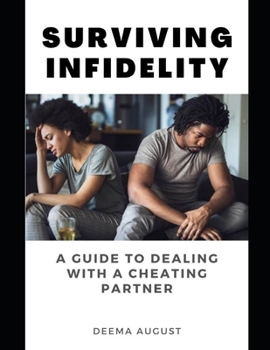
Surviving Infidelity: A Guide To Dealing With A Cheating Partner
No Customer Reviews

SURVIVING INFIDELITY: A GUIDE TO DEALING WITH A CHEATING PARTNER
Infidelity refers to the act of being unfaithful in a committed relationship, whether it be a romantic relationship, a marriage, or a partnership. It can take many forms, such as physical or emotional affairs, sexting, or any other behavior that violates the trust and expectations of one's partner. Infidelity is a complex issue that can have a profound impact on individuals, relationships, and families. In this article, we will explore the causes of infidelity and how it can impact individuals and relationships. The causes of infidelity are multifaceted and often stem from a combination of psychological, emotional, and environmental factors. In some cases, infidelity may be the result of dissatisfaction or unmet needs in a relationship. For example, individuals may cheat if they feel neglected or undervalued by their partner, or if they are seeking emotional support that they are not receiving in their current relationship. Another common cause of infidelity is a lack of intimacy and connection in the relationship. Individuals who feel emotionally or physically disconnected from their partner may seek intimacy and fulfillment outside of the relationship. In some cases, this may be a result of a lack of communication, a lack of physical affection, or a lack of emotional support. Infidelity may also be driven by individual factors, such as low self-esteem, anxiety, depression, or stress. Individuals who struggle with these issues may turn to infidelity as a means of coping with their emotions or as a way to feel more confident and validated. Additionally, external factors such as cultural norms, peer pressure, and availability can also contribute to infidelity. For example, in some cultures, infidelity is more accepted and even encouraged particularly for men, while in others it is stigmatized and frowned upon. Peer pressure can also play a role, as individuals may feel pressure to conform to societal norms or expectations around relationships and sexual behavior. Another common reason for infidelity is a desire for novelty and excitement. People may be drawn to new experiences and the thrill of an affair can provide a much-needed escape from the routine of daily life. However, this desire for novelty can also be a manifestation of deeper issues such as boredom or dissatisfaction with the primary relationship. However, it is important to note that not all instances of infidelity are due to these factors. In some cases, individuals may engage in infidelity simply due to poor judgment or a lack of self-control. The impact of infidelity on individuals and relationships can be profound. The betrayed partner may experience a wide range of negative emotions, including anger, sadness, and a loss of trust. This can lead to feelings of betrayal and low self-esteem, as well as physical and emotional distancing from the primary relationship.
Infidelity refers to the act of being unfaithful in a committed relationship, whether it be a romantic relationship, a marriage, or a partnership. It can take many forms, such as physical or emotional affairs, sexting, or any other behavior that violates the trust and expectations of one's partner. Infidelity is a complex issue that can have a profound impact on individuals, relationships, and families. In this article, we will explore the causes of infidelity and how it can impact individuals and relationships. The causes of infidelity are multifaceted and often stem from a combination of psychological, emotional, and environmental factors. In some cases, infidelity may be the result of dissatisfaction or unmet needs in a relationship. For example, individuals may cheat if they feel neglected or undervalued by their partner, or if they are seeking emotional support that they are not receiving in their current relationship. Another common cause of infidelity is a lack of intimacy and connection in the relationship. Individuals who feel emotionally or physically disconnected from their partner may seek intimacy and fulfillment outside of the relationship. In some cases, this may be a result of a lack of communication, a lack of physical affection, or a lack of emotional support. Infidelity may also be driven by individual factors, such as low self-esteem, anxiety, depression, or stress. Individuals who struggle with these issues may turn to infidelity as a means of coping with their emotions or as a way to feel more confident and validated. Additionally, external factors such as cultural norms, peer pressure, and availability can also contribute to infidelity. For example, in some cultures, infidelity is more accepted and even encouraged particularly for men, while in others it is stigmatized and frowned upon. Peer pressure can also play a role, as individuals may feel pressure to conform to societal norms or expectations around relationships and sexual behavior. Another common reason for infidelity is a desire for novelty and excitement. People may be drawn to new experiences and the thrill of an affair can provide a much-needed escape from the routine of daily life. However, this desire for novelty can also be a manifestation of deeper issues such as boredom or dissatisfaction with the primary relationship. However, it is important to note that not all instances of infidelity are due to these factors. In some cases, individuals may engage in infidelity simply due to poor judgment or a lack of self-control. The impact of infidelity on individuals and relationships can be profound. The betrayed partner may experience a wide range of negative emotions, including anger, sadness, and a loss of trust. This can lead to feelings of betrayal and low self-esteem, as well as physical and emotional distancing from the primary relationship.
Format:Paperback
Language:English
ISBN:B0BVPB6M9V
ISBN13:9798376557952
Release Date:February 2023
Publisher:Independently Published
Length:74 Pages
Weight:0.43 lbs.
Dimensions:0.1" x 8.5" x 11.0"
Related Subjects
Parenting & RelationshipsCustomer Reviews
0 rating
Copyright © 2026 Thriftbooks.com Terms of Use
| Privacy Policy | Do Not
Sell/Share My Personal Information | Cookie Policy | Cookie Preferences | Accessibility Statement
ThriftBooks® and the ThriftBooks® logo are registered trademarks of Thrift Books Global, LLC
ThriftBooks® and the ThriftBooks® logo are registered trademarks of Thrift Books Global, LLC
