


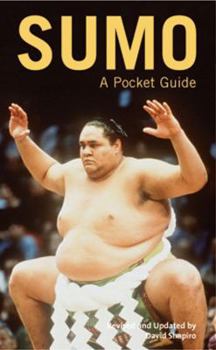
Sumo a Pocket Guide


Original
Format:Paperback
Language:English
ISBN:0804820147
ISBN13:9780804820141
Release Date:December 1995
Publisher:Tuttle Publishing
Length:112 Pages
Weight:0.27 lbs.
Dimensions:0.3" x 4.5" x 7.1"
Customer Reviews
2 ratings
Great little Primer
Published by Thriftbooks.com User , 17 years ago
The only reason for 4 stars is that it needs an updated version. This was written in 1995. And although the sport has been around for over 1,000 years in one format or another. History: 1st recorded sumo bout: 23 BC - Request of Emperor Suinin Shinji: Taima no Kehaya vs. Nomi no Sukune (2.38 meters). Sukune kicks Kehaya breaks his ribs and kills him. Noted in Kojiki (Record of Ancient Matters), Japan's earliest written history (712) Sumo, has a religious background: Shinji Zumo: To determine the outcome of the harvest in front of the emperor and empresses Nara: 646-794 - Annual court event Heian: 794-1185 - Court entertainment: Sumai no sechie Kamakura: 1185-1336 - rule of the Samurai Beginning of decline until 1st great shogun: Oda Nobunaga - 1578 ,1500 men for a one day sumo fest Muromachi 1336-1568 - Kanjin zumo raise money for improvements or repairs to the temples and shrines Tokugawa 1603-1868Ieyasu, 1st Tokugawa Shogun 1648 & 1661 for 15 years, Tsuji Zumo and Kanjin Zumo were both banned due to gambling. 1684 Ikazuchi Gondaiyu, founding father of organized professional sumo received governmental permission to promote sumo. Meiji & Taisho: 1868-1926: Sumo a bi-annual event Started in Tokyo and was spread to: 1953 Osaka 1953 3rd Tokyo 1957Fukuoka 1958 Nagoya The original Tokyo site had the following history: 1909: Kokugikan, seating 13,000 1917: burns 1923: Kanto earthquake WW2: destroyed 1985: Current Ryogoju Kokugikan: 11,000 capacity (US$60 million cost) Sumo: Rikishi (gentlemen of strength) Mimimum physical requirements: 1.73 meters and 75 kilograms Banzuke: First created in Mid 18th century in Edo. Entrance of the rikishi: Clapping announces to the gods someone pure is asking for their attention and favor Hands raised to show no weapons Raising of Kesho-Mawashi (apron) symbolic of foot stamping. Weapons: Physical, technical and psychological -zeki based on sekitori Yokuzuna 1st noted in 1773 1st recorded in Banzuke in 1890 1:700 reach the title Enters with Chief referee, tsuya harai, and tachi-mochi Over the kesho mawashi Wears the tsuna (White ropes) Gohei (white paper strips - zig zag from Shinto temples to mark sacred object or area) Shiko (hoisting of a leg high into the air and slam to the ground to frighten away spirits and intention to crush his opponent 2 traditional Yokuzuna entrances: Unryu Hisakichi (1823-91), 10th Yokozuna: Both offensive and defensive posture Shiranui Koemon (1825-1879) 11th Yokozuna: all out offensive posture Dohyo: made of special dirt from Chiba (Rakida): 0.6 meters high and 5.5 meters square at the base Straw Tawara forms a circle 4.6 meters in diameter - 2 or out to let out rain water. 4 corners: Green: East & Spring Red: South & Summer White: West and autumn Black: North and winter 45 kilos of salt each day Chikara mizu Cheering: Nokotta, Nokotta: You're still in there Yoi!Hakkeyoi: Keep it going Winner: 3 Shinto deities of victory Last ending Yumitori-Shiki
Great information on sumo in a little book
Published by Thriftbooks.com User , 18 years ago
Sumo: A Pocket Guide is a great little book for the sumo enthusiest or anyone else who wants to learn a bit about Japan's number one sport. I wish I would have had this little book when I was living in Japan in the 90s and watching sumo religiously. As it is, I just recently picked it up and while reading it had fond memories of the times I was watching matches in Japan during Takanohana's heyday. If you want a short book on the basics of Sumo, this pocket guide is the book to get. Reviewed by Alain Burrese, J.D., author, speaker Hard-Won Wisdom From The School of Hard Knocks, Hapkido Hoshinsul, Streetfighting Essentials, Hapkido Cane, and The Lock On Joint Locking series
Copyright © 2026 Thriftbooks.com
Terms of Use | Privacy Policy | Do Not Sell/Share My Personal Information | Cookie Policy | Cookie Preferences | Accessibility Statement
ThriftBooks ® and the ThriftBooks ® logo are registered trademarks of Thrift Books Global, LLC
ThriftBooks ® and the ThriftBooks ® logo are registered trademarks of Thrift Books Global, LLC
