


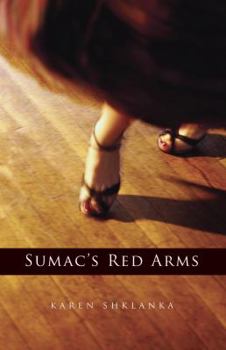
Sumac's Red Arms


No Synopsis Available.
Format:Paperback
Language:English
ISBN:1550504029
ISBN13:9781550504026
Release Date:January 2009
Publisher:Coteau Books
Length:87 Pages
Weight:0.30 lbs.
Dimensions:8.3" x 0.3" x 5.5"
Related Subjects
PoetryCustomer Reviews
1 rating
Dancing the Memories
Published by Thriftbooks.com User , 16 years ago
Sumac's Red Arms is an intriguing title for Karen Shklanka's first book of poetry. When I think of the sumac tree, I visualize its vivid fall red like blood, the tree's limbs reaching to enfold and protect or to invite as a dancer might. For all of those reasons, the title is the perfect one to describe the poems Shklanka wrote from her experience of practicing rural and emergency medicine in several communities. She is also an Argentine Tango instructor, along with her husband. Often, the title of a book of poems comes from the title of a poem included in the collection or sometimes, as in this case, a line from within a poem. I enjoyed discovering the line in a short poem called "Season" in a section entitled "Cradle." The full line is: "Sumac's red arms gather in the weather." The poet has also gathered many memories of people, places and the pleasures of nature. The book has a remarkable beginning, with narrative poems from Shklanka's 18 years of practicing medicine. The people in her poems may be composites, but they certainly come alive with Shklanka's telling. In fact, I read the narrative poems as I would a novel or story, anxious to find out what happens next. The first one, for instance, is "Moose Factory, Ontario" which describes various time periods like a journal of events, inside and outside the hospital in the Cree community. It's an amazing poem and a remarkable account of this poet-physician's experience. Poems can end with a final line that can startle the reader as if the best has been saved for last. I didn't find that to be the case with Shklanka's poems. Because her poems, especially those that tell a story, are so full of details of trauma in some instances, the ending is more like the calm ordinariness experienced after the adrenalin and emotional rush. For example, the poet is called to a patient's home to write a death certificate. She tells the story and ends with the slow drive home to the leftover pancakes her dog begs for. The poems in the section "Vocabulary: A Tango" are titled with Spanish words that describe movements of Argentine Tango. The few words in the short poems have full-stops strategically placed and are reminiscent of the dance. A journal of one's life can contain a myriad of experiences, and that is the case in Sumac's Red Arms. There are many other colors besides the red of the sumac. Shklanka writes about the yellow of Van Gogh and "pinwheels of papaya, watermelon, mango" in Oaxaca as well as the sights and smells of Barcelona, Seville and Los Angeles. While the poet is aware of all these exotic flavors, it's the people she empathizes with, whether it's a patient who needs to be flown to a psychiatric facility or a man selling blueberries on Salt Spring Island, British Columbia where this book was conceived. by Mary Ann Moore for Story Circle Book Reviews reviewing books by, for, and about women
Copyright © 2026 Thriftbooks.com Terms of Use
| Privacy Policy | Do Not
Sell/Share My Personal Information | Cookie Policy | Cookie Preferences | Accessibility Statement
ThriftBooks® and the ThriftBooks® logo are registered trademarks of Thrift Books Global, LLC
ThriftBooks® and the ThriftBooks® logo are registered trademarks of Thrift Books Global, LLC
