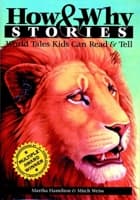
With this user-friendly book, kids of all ages can become confident, polished storytellers. The introduction provides enough information for the novice storyteller to begin using the 30 stories included here. Grouped into four sections by level of difficulty, each story includes specific suggestions for facial expressions, pacing, gestures, emotions and body language.
Kids can hit the ground running as storytellers with this!
By Thriftbooks.com User, November 29, 2000
This book is an excellent companion to the authors' book "Children Tell Stories." That book helps adults set up and develop kids' storytelling programs in a very comprehensive manner. This book provides stories with which to do this. The stories are arranged by difficulty, with excellent telling suggestions alongside the text of the story. Some are even set up for tandem telling, which I find kids often want to try, but struggle to find a way to make it work. The stories come from a variety of sources, and they are all guaranteed to please at least one of the kids in your class or group who wish to tell. As one who has coached many middle-school kids to tell their first story, I find these stories to be excellent in helping those kids who are just not sure how they should proceed. I highly recommend it for kids who want to tell and the adults who nurture this desire in them!
0
★★★★★
great for the classroom
By Thriftbooks.com User, July 31, 2000
As an elemntary teacher, I love this book. The book contains 30 stories representing different cultures with clever plots and defined characters. This versatile book is written for beginning storytellers but can be used in the classroom in several ways. The delightful stories are great read alouds that teach students how to develope characters and build experience for their own writing. The easy to use stories encourage the natural storytelling talent of childres who love to perform. The guide along the side helps with expressions and voice inflections allowing the students the confidence to develope their own style. Another benefit of this book, although probably not the intention of the authors, is that it builds the skills reguired for the NYS 4th grade ELA exam. Students learn techniques of using storyboards, listening for details and identifying major events and seguences of a story. This is a classroom must.
0
★★★★★
from: Territorial Tattler
By Thriftbooks.com User, July 29, 2000
If you teach storytelling to children, you'll want a copy of this book. The first 18 pages, addressed to the kids, explain how to choose, learn, and perform a story. Then follow 30 tales laid out in mouth-sized pieces, with parallel columns suggesting gestures and vocal intonations to use. Ranging from fables and folktales to short literary gems, all are appealing and accessible to the beginner. At the end of the book is a section for adults, giving both pedagogical arguments and practical suggestions for ensuring success for young tellers. Detailed source notes and additional story suggestions round out the grown up section. Hamilton & Weiss have distilled excellent advice from their 16+ years experience working with young tellers. I think self-motivated students could use this book on their own; but an adult, using the content and tone of the authors' sections addressed to children, will be equipped to start a youth storytelling group with confidence.