


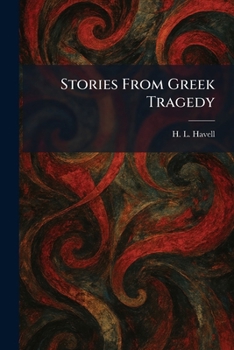
Stories From Greek Tragedy

"Stories From Greek Tragedy" is a masterfully crafted collection that brings the profound and enduring tales of ancient Athenian drama to life for a modern audience. Written by H. L. Havell, this work serves as an essential bridge to the monumental plays of the three great masters of the genre: Aeschylus, Sophocles, and Euripides. Through clear and engaging prose, Havell captures the essence of the original masterpieces, distilling their complex plots and intense emotional arcs into readable narratives.
The collection explores the themes of fate, hubris, and divine justice that defined the Greek stage. Readers will encounter the tragic figures of Agamemnon, Antigone, and Orestes, among others, as they navigate the moral dilemmas and catastrophic conflicts that have resonated through the centuries. By focusing on the dramatic core of these works, Havell ensures that the philosophical depth and artistic brilliance of the Athenian playwrights remain accessible to students and lovers of classical literature alike.
This volume is more than a mere summary; it is a literary homage that preserves the spirit of the original tragedies. "Stories From Greek Tragedy" remains an invaluable resource for anyone seeking to understand the foundations of Western literature and the timeless human struggles depicted in the ancient world's most significant theatrical achievements.
This work has been selected by scholars as being culturally important, and is part of the knowledge base of civilization as we know it. This work was reproduced from the original artifact, and remains as true to the original work as possible. Therefore, you may see the original copyright references, library stamps (as most of these works have been housed in our most important libraries around the world), and other notations in the work.
This work is in the public domain in the United States of America, and possibly other nations. Within the United States, you may freely copy and distribute this work, as no entity (individual or corporate) has a copyright on the body of the work.
As a reproduction of a historical artifact, this work may contain missing or blurred pages, poor pictures, errant marks, etc. Scholars believe, and we concur, that this work is important enough to be preserved, reproduced, and made generally available to the public. We appreciate your support of the preservation process, and thank you for being an important part of keeping this knowledge alive and relevant.
Customer Reviews
ThriftBooks ® and the ThriftBooks ® logo are registered trademarks of Thrift Books Global, LLC
