


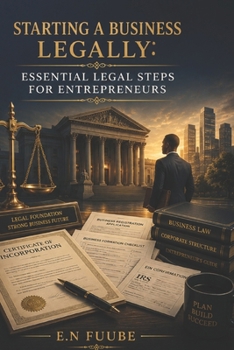
Starting a Business Legally: Essential Legal Steps for Entrepreneurs

Essential Legal Steps for Entrepreneurs to Register, Protect, Manage, and Grow a Business
Starting a business involves more than developing a good idea and finding customers. Entrepreneurs must also consider business structures, registration requirements, licenses, contracts, employment matters, taxes, intellectual property, compliance, and other legal responsibilities.
STARTING A BUSINESS LEGALLY: ESSENTIAL LEGAL STEPS FOR ENTREPRENEURS provides a straightforward introduction to the important legal considerations involved in establishing and operating a business. It covers the process of turning an idea into a legal business, choosing a business structure, registering a business, obtaining licenses and permits, creating contracts, hiring workers, protecting business assets, managing legal risks, and handling financial and tax responsibilities.
Inside This Book, You Will Learn1. Turning an Idea into a Legal Business
Learn how to evaluate a business idea, understand basic legal requirements, develop a foundation for business planning, and recognize common mistakes that new entrepreneurs may make.
2. Choosing a Business Structure
Understand sole proprietorships, partnerships, limited liability companies, and corporations, and explore how choosing a business structure can affect ownership, management, and liability.
3. Registering Your Business
Learn about selecting a business name, completing registration procedures, handling tax registration, and preparing the documentation commonly required when establishing a business.
4. Licenses and Permits
Explore industry specific licenses, local permits, regulatory approvals, and compliance obligations that may apply to different types of businesses.
5. Contracts for New Businesses
Understand customer agreements, supplier contracts, service contracts, and essential contract provisions that can help establish clear business relationships.
6. Employment Considerations
Learn about hiring employees, working with independent contractors, creating workplace policies, and understanding basic employment compliance responsibilities.
7. Protecting Business Assets
Explore intellectual property, confidential information, business records, and cybersecurity measures that can help protect important business assets and information.
8. Managing Legal Risks
Understand insurance coverage, regulatory compliance, dispute prevention, and documentation systems that can help reduce potential legal and operational risks.
9. Financial and Tax Responsibilities
Learn about business taxes, record keeping, financial reporting, and practical considerations for avoiding penalties associated with financial and tax obligations.
10. Building a Legally Strong Business
Explore long term compliance, growth planning, risk management, and sustainable business practices that can support the continued development of a legally organized business.
Why This Book Is a Must HaveStarting a business without understanding its legal responsibilities can create unnecessary problems, expenses, and risks. STARTING A BUSINESS LEGALLY helps entrepreneurs understand the major legal and administrative areas that should be considered when establishing and operating a business.
Whether you are preparing to launch your first business, developing a new venture, or looking for a better understanding of business legal requirements, this guide provides practical information to help you approach the startup process with greater preparation and confidence.
#StartingABusiness #BusinessLaw #Entrepreneurship #SmallBusiness #BusinessStartup #LegalCompliance #BusinessManagement
Related Subjects
LawCustomer Reviews
ThriftBooks ® and the ThriftBooks ® logo are registered trademarks of Thrift Books Global, LLC
