


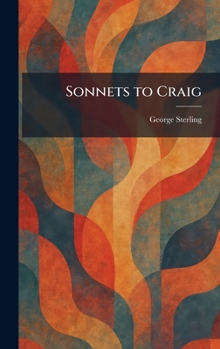
Sonnets to Craig

"Sonnets to Craig" is a profound collection of lyrical poetry by the acclaimed American poet George Sterling. Composed for Mary Craig Kimbrough, these verses offer an intimate glimpse into the passionate and idealistic spirit of one of the early 20th century's most significant literary figures. Sterling, often regarded as a central figure of the Bohemian movement in San Francisco, employs the classic sonnet form to explore themes of devotion, beauty, and the sublime power of love.
The collection showcases Sterling's mastery of traditional poetic structures and his ability to infuse them with modern emotional intensity. His language is rich and evocative, capturing the ethereal quality of romance while maintaining a formal elegance characteristic of his finest work. As a testament to the enduring nature of poetic inspiration, "Sonnets to Craig" stands as a vital contribution to American literature, reflecting the transition from late Victorian sentimentality to the more complex emotional landscapes of the early modern era. Readers and scholars alike will find in these poems a striking example of the technical skill and romantic fervor that defined Sterling's influential career.
This work has been selected by scholars as being culturally important, and is part of the knowledge base of civilization as we know it. This work was reproduced from the original artifact, and remains as true to the original work as possible. Therefore, you may see the original copyright references, library stamps (as most of these works have been housed in our most important libraries around the world), and other notations in the work.
This work is in the public domain in the United States of America, and possibly other nations. Within the United States, you may freely copy and distribute this work, as no entity (individual or corporate) has a copyright on the body of the work.
As a reproduction of a historical artifact, this work may contain missing or blurred pages, poor pictures, errant marks, etc. Scholars believe, and we concur, that this work is important enough to be preserved, reproduced, and made generally available to the public. We appreciate your support of the preservation process, and thank you for being an important part of keeping this knowledge alive and relevant.
Related Subjects
PoetryCustomer Reviews
ThriftBooks ® and the ThriftBooks ® logo are registered trademarks of Thrift Books Global, LLC
