


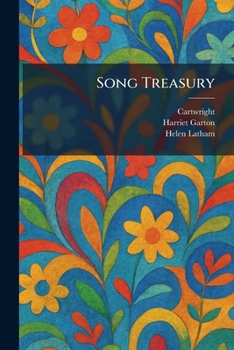
Song Treasury

"Song Treasury" is a comprehensive and carefully curated collection of vocal music designed for choral groups, students, and music enthusiasts. Compiled and edited by Harriet Garton Cartwright and Helen Latham, this anthology serves as both a practical resource for classroom instruction and a rich repository of song for performance. The work brings together a diverse selection of melodies and arrangements intended to inspire singers and foster a deep appreciation for the art of vocal music.
The collection focuses on providing a foundational repertoire that covers various musical styles and technical demands, making it an ideal tool for developing vocal skills, pitch, and rhythmic precision. By emphasizing the communal joy of singing alongside individual technical growth, "Song Treasury" remains a significant example of early 20th-century music education. Its structured approach to song selection helps educators and choral directors navigate the complexities of vocal training while introducing learners to timeless musical pieces. This volume is an essential addition to any musical library, offering a glimpse into the instructional methods and choral standards that have shaped vocal performance and music appreciation for generations.
This work has been selected by scholars as being culturally important, and is part of the knowledge base of civilization as we know it. This work was reproduced from the original artifact, and remains as true to the original work as possible. Therefore, you may see the original copyright references, library stamps (as most of these works have been housed in our most important libraries around the world), and other notations in the work.
This work is in the public domain in the United States of America, and possibly other nations. Within the United States, you may freely copy and distribute this work, as no entity (individual or corporate) has a copyright on the body of the work.
As a reproduction of a historical artifact, this work may contain missing or blurred pages, poor pictures, errant marks, etc. Scholars believe, and we concur, that this work is important enough to be preserved, reproduced, and made generally available to the public. We appreciate your support of the preservation process, and thank you for being an important part of keeping this knowledge alive and relevant.
Customer Reviews
ThriftBooks ® and the ThriftBooks ® logo are registered trademarks of Thrift Books Global, LLC
