


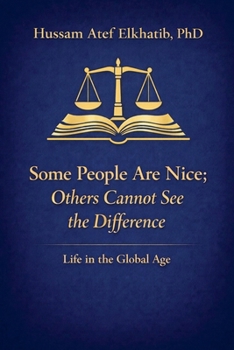
Some People Are Nice; Others Cannot See the Difference: Life in the Global Age

What does it really mean to be nice?
In a globalized world shaped by cultural difference, moral signaling, and constant interaction, niceness has become both expected and deeply misunderstood. Actions intended as kind can offend. Politeness can feel hollow. Honesty can be mistaken for cruelty. This book explores why.
Some People Are Nice; Others Cannot See the Difference is a reflective nonfiction inquiry into kindness, morality, honesty, and human behavior in the modern world. It examines how niceness is formed, how it is misread across cultures, and how good intentions can fail when context is fractured and expectations collide.
Rather than offering rules or advice, the book explores enduring questions: Is being nice the same as being moral? Can honesty coexist with tact? Does kindness signal weakness or strength? How do culture, upbringing, and circumstance shape the way people understand goodness?
Written for readers interested in philosophy, ethics, psychology, and social reflection, this book invites thoughtful engagement with one of the most familiar yet misunderstood aspects of human life.
This is not a guide to politeness. It is an examination of how we navigate goodness in a world where meaning is often assumed but rarely shared.
Customer Reviews
ThriftBooks ® and the ThriftBooks ® logo are registered trademarks of Thrift Books Global, LLC
