


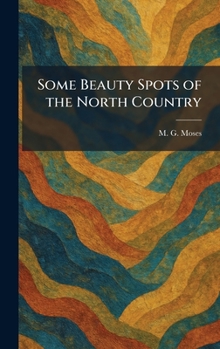
Some Beauty Spots of the North Country

"Some Beauty Spots of the North Country" is an evocative exploration of the rugged landscapes and picturesque vistas found within the northern regions of England. Written by M.G. Moses, this work serves as both a geographical record and a tribute to the natural splendor of the area. The book guides readers through a series of significant locations, capturing the essence of the moors, fells, and valleys that define the North Country's unique character.
The narrative blends descriptive prose with a deep appreciation for the geographical and cultural heritage of the region. From the dramatic heights of the fells to the quiet charm of rural villages, Moses highlights the specific locations that have long inspired poets, artists, and travelers. This volume reflects a period of growing interest in regional travel and preservation, offering a window into the pastoral beauty and environmental landmarks of the early twentieth century.
Rich in detail and atmosphere, "Some Beauty Spots of the North Country" remains a valuable resource for those interested in British topography, nature writing, and the history of regional tourism. It stands as a testament to the enduring allure of the English countryside and the importance of documenting its most cherished scenic landmarks.
This work has been selected by scholars as being culturally important, and is part of the knowledge base of civilization as we know it. This work was reproduced from the original artifact, and remains as true to the original work as possible. Therefore, you may see the original copyright references, library stamps (as most of these works have been housed in our most important libraries around the world), and other notations in the work.
This work is in the public domain in the United States of America, and possibly other nations. Within the United States, you may freely copy and distribute this work, as no entity (individual or corporate) has a copyright on the body of the work.
As a reproduction of a historical artifact, this work may contain missing or blurred pages, poor pictures, errant marks, etc. Scholars believe, and we concur, that this work is important enough to be preserved, reproduced, and made generally available to the public. We appreciate your support of the preservation process, and thank you for being an important part of keeping this knowledge alive and relevant.
Customer Reviews
ThriftBooks ® and the ThriftBooks ® logo are registered trademarks of Thrift Books Global, LLC
