


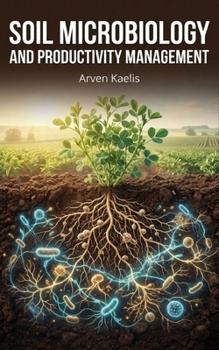
Soil Microbiology and Productivity Management

Healthy soil is far more than a mixture of minerals and organic matter. Beneath the surface exists a complex world of microorganisms that drive nutrient cycles, influence plant growth, and determine agricultural productivity. Understanding these microbial ecosystems is one of the most powerful ways to improve soil fertility, sustainable agriculture, and long-term crop performance.
This book explores the interactions between soil microbes, plant roots, and environmental conditions. From rhizobial symbiosis and nutrient cycles to modern microbial monitoring methods, readers will gain a clear understanding of how microscopic life shapes soil systems and agricultural productivity.
Whether you are studying soil science, working in agriculture, conducting environmental research, or exploring sustainable farming methods, this book provides scientific insights and practical knowledge about managing soil microbial processes and improving biological productivity.
Who Should Read This Book?- Students of soil science, microbiology, agronomy, and environmental science
- Farmers and agricultural professionals interested in soil health
- Researchers studying microbial ecosystems and plant-microbe interactions
- Sustainability specialists focused on regenerative agriculture
- Anyone interested in improving soil fertility and biological productivity
- How do soil microorganisms influence plant nutrition and crop growth?
- What role do rhizobial bacteria play in nitrogen fixation?
- How do microbial communities regulate nutrient cycles in soil?
- Which agricultural practices affect soil microbial ecosystems?
- What techniques are used to monitor soil microbiology?
- How can biological productivity of soil be increased?
- How does climate change affect soil microbial systems?
Customer Reviews
ThriftBooks ® and the ThriftBooks ® logo are registered trademarks of Thrift Books Global, LLC
